Understanding 逐笔成交数据 and Its Significance
The world of cryptocurrency trading is evolving rapidly, driven by innovations in blockchain technology that improve transparency, security, and speed. Among the most critical data types for traders and analysts is 逐笔成交数据, or tick data. This granular form of market information captures every individual transaction, allowing stakeholders in finance to analyze market conditions in real-time. By embracing tick data, traders can enhance their strategies, improve execution quality, and make informed decisions based on live market trends. When exploring options, 逐笔成交数据 provides comprehensive insights that can significantly impact trading outcomes.
What is Tick Data?
Tick data refers to the most granular form of market data available, representing each trade executed in the market. Unlike bar charts or candlestick patterns that aggregate multiple transactions over a specified time frame, tick data details every transaction's price, volume, and timestamp. This real-time insight into market behavior is invaluable for traders engaging in high-frequency and algorithmic trading where microsecond decisions can influence profitability.
Importance of Real-Time Data in Trading
The significance of real-time data in trading cannot be overstated. In fast-moving markets such as cryptocurrencies, where volatility can be pronounced, having access to the latest tick data enables traders to respond swiftly to price movements and market trends. This timely access allows for precise entry and exit points, capitalizes on arbitrage opportunities across exchanges, and enhances overall market analysis. Real-time data empowers traders to understand not just price trends but also market sentiment and liquidity.
Comparison of Level 1 and Level 2 Data
Trading platforms often provide two types of market data: Level 1 and Level 2. Level 1 data includes essential information such as the best bid and ask prices as well as the last trade price. In contrast, Level 2 data gives deeper insights, showcasing the market depth by showing all buy and sell orders at various price levels. This additional layer of information allows traders to gauge market dynamics, liquidity conditions, and potential resistance levels, ultimately leading to more informed trading decisions.
Setting Up Your Trading Environment
Creating an efficient trading environment is crucial for successes, such as strategically choosing the right tools and platforms that facilitate access to vital tick data. Establishing a seamless workflow can significantly alleviate the challenges traders face in a rapidly changing market environment.
Choosing the Right Tools and Platforms
Selecting the right trading platform is a fundamental step for any trader. With numerous platforms in the crypto space, it is critical to choose one that offers real-time tick data, has efficient order execution capabilities, and supports a variety of trading strategies. Furthermore, the choice of analytical tools—including charting applications and algorithmic trading bots—can make a substantial difference in developing and executing trading strategies.
Configuring Your Workspace for Efficiency
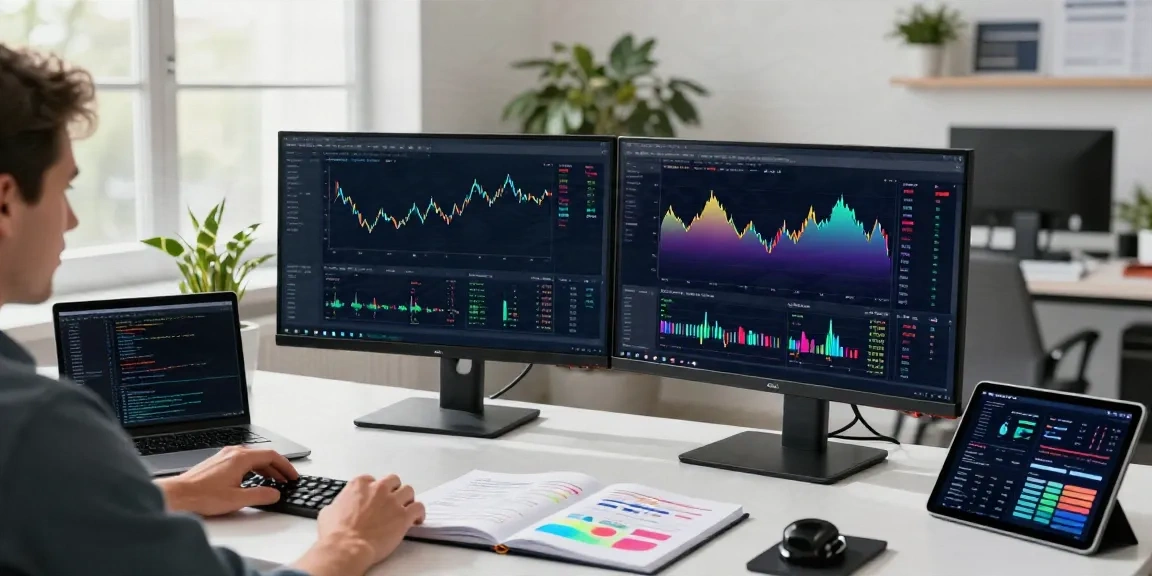
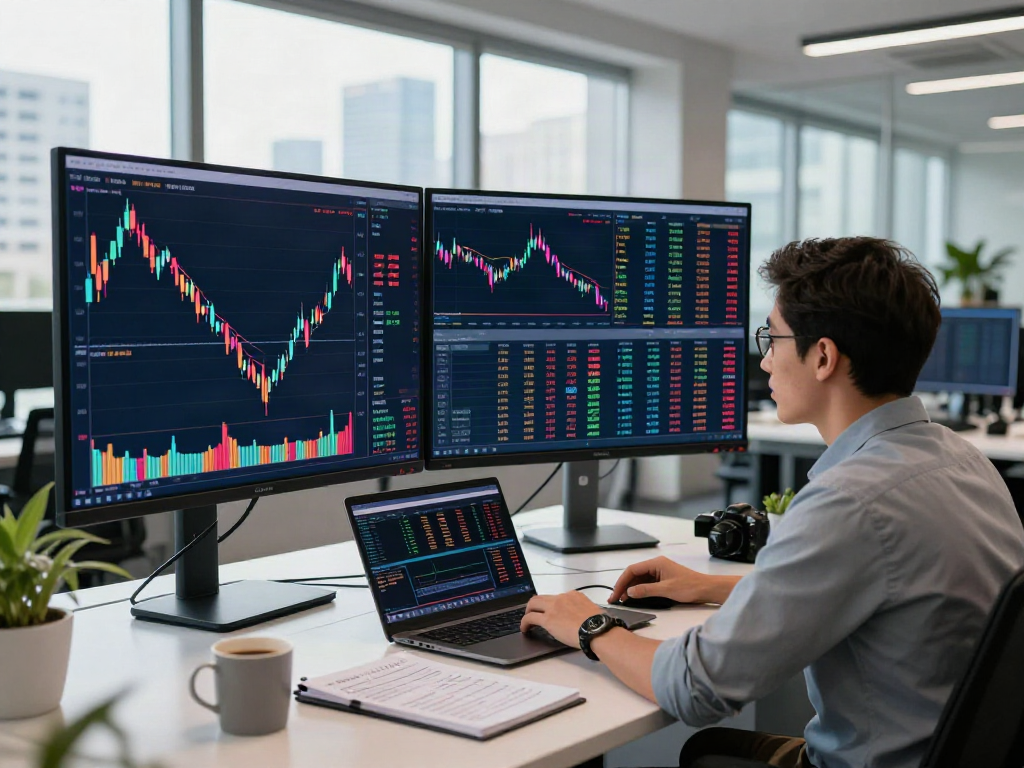
A well-organized workspace enhances focus and productivity. Setting up multiple monitors to display real-time charts, order books, and news feeds allows traders to stay informed and responsive. Moreover, incorporating software that can track market changes and execute trades based on specific algorithms may provide a significant advantage in highly competitive trading environments.
Best Practices for Handling 逐笔成交数据
Handling tick data effectively involves understanding data storage solutions and implementing analytical methods to derive actionable insights. Traders should prioritize tools that allow for backtesting strategies using historical tick data to optimize their trading models. Utilizing platforms that support advanced analytic capabilities can enable traders to dissect high-frequency patterns and refine their approaches continually.
Advanced Trading Strategies Using Tick Data
Employing advanced trading strategies utilizing tick data can help traders gain an edge over competitors. By focusing on detailed analyses of every transaction, traders can identify patterns that may not be apparent in standard time-frame charts.
Technical Analysis with Real-Time Data
Technical analysis based on tick data allows traders to react to fine market fluctuations. Traders often employ indicators such as momentum oscillators and volume-related metrics that work best with real-time data to identify potential buying and selling points. Understanding how price changes interact with volume can also reveal the strength of price movements, indicating whether trends may continue or reverse.
Identifying Market Trends and Signals
Through systematic analysis of tick data, traders can uncover trends that signal market movements. For example, sharp spikes in trading volume may indicate a pending price breakout or reversal. By identifying these signals early, traders can position themselves optimally to take advantage of significant market shifts.
Integrating Tick Data into Automated Trading
Automated trading systems often leverage tick data to implement strategies in milliseconds. High-frequency trading algorithms can process tick data to make split-second decisions without human intervention. However, developing and backtesting these algorithms requires a sophisticated understanding of market logic and robust risk management practices to mitigate potential losses.
Security Measures for Crypto Traders
The participation in cryptocurrency trading inherently involves risks, and thus implementing robust security measures is essential. This vigilance applies not just to data management but also to protecting one's assets from ongoing threats in the digital landscape.
Safeguarding Your Wallet and Private Keys
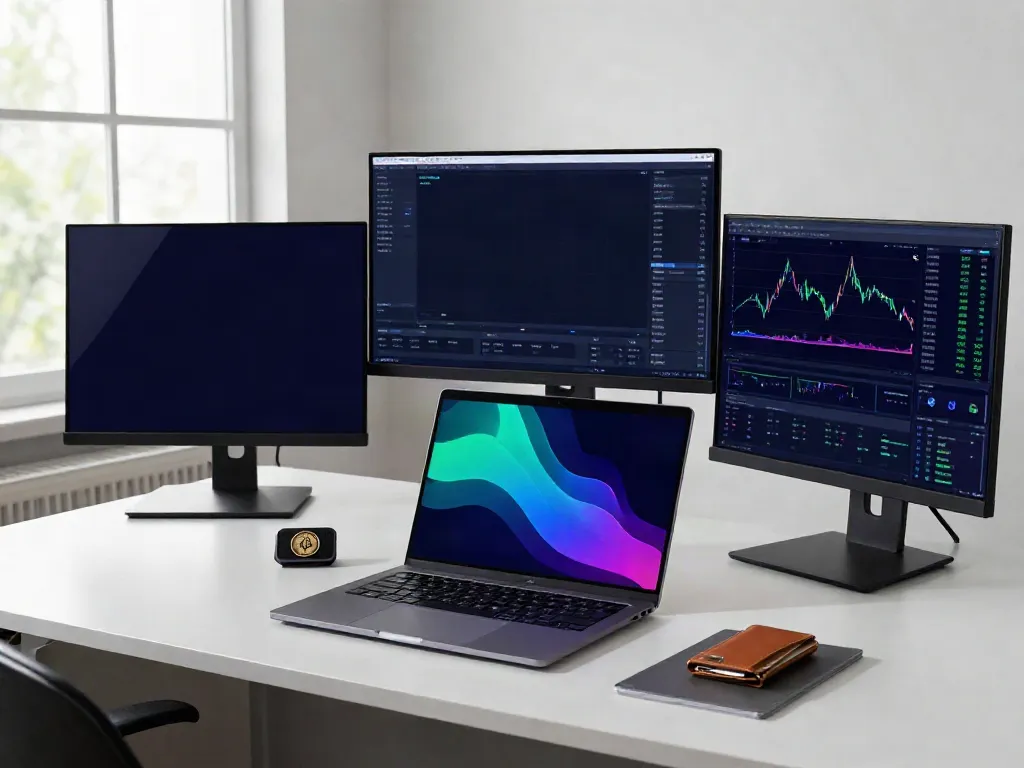
Protecting one's cryptocurrency wallet and private keys is of utmost importance. Utilizing hardware wallets for cold storage is one of the most secure practices, as it keeps private keys offline, reducing the risk of online theft. Additionally, implementing strong passwords and two-factor authentication (2FA) can further enhance security layers.
Recognizing and Preventing Common Scams
Cryptocurrency trading is a fertile ground for scams, including phishing attempts and exit scams. Traders must remain vigilant, educating themselves on the latest scams and employing strategies to avoid falling victim. Basic due diligence—such as verifying the credibility of exchanges and conducting research into new projects—can also mitigate risks.
Ensuring Regulatory Compliance for Traders in 2026
The cryptocurrency landscape is evolving rapidly, leading to stringent regulatory measures worldwide. Traders should stay informed about local regulations regarding Anti-Money Laundering (AML) and Know Your Customer (KYC) requirements to avoid legal ramifications. Understanding these rules is crucial for compliance, particularly when engaging with centralized exchanges incentivized to enforce these standards.
Future Trends in Cryptocurrency Trading
The future of cryptocurrency trading is exciting, fueled by ongoing innovations and technological advancements that promise to reshape how markets operate. Understanding these trends can help traders stay ahead in the game and adapt their strategies accordingly.
New Technologies Transforming Market Data
Emerging technologies such as artificial intelligence and machine learning are poised to revolutionize how data is processed and analyzed in the cryptocurrency markets. These tools can streamline trading operations, optimize algorithmic solutions, and uncover deep insights from vast datasets that were previously unattainable.
Predicted Innovations in Trading Platforms
Innovations in trading platforms, including enhanced user interfaces and increased automation capabilities, are expected to evolve. Inclusive of social trading features where users can follow and copy trades of seasoned investors may also become prevalent, democratizing access to advanced trading strategies.
Upcoming Regulatory Changes Impacting Traders
As governmental regulations continue to evolve, traders must stay updated on changes that may affect the trading landscape. Upcoming regulations could alter market dynamics, particularly concerning taxation and reporting requirements for crypto assets. Understanding these implications will be crucial for compliant trading in 2026 and beyond.
What is the Future of 逐笔成交数据?
The future of 逐笔成交数据 looks promising as tools and capabilities for processing tick data improve. Increased demand for real-time data will further its importance in trading strategies, empowering traders to leverage timely information to their advantage. As technology continues to innovate, those who embrace the depth and precision of tick data will likely gain the most significant benefits in their trading endeavors.