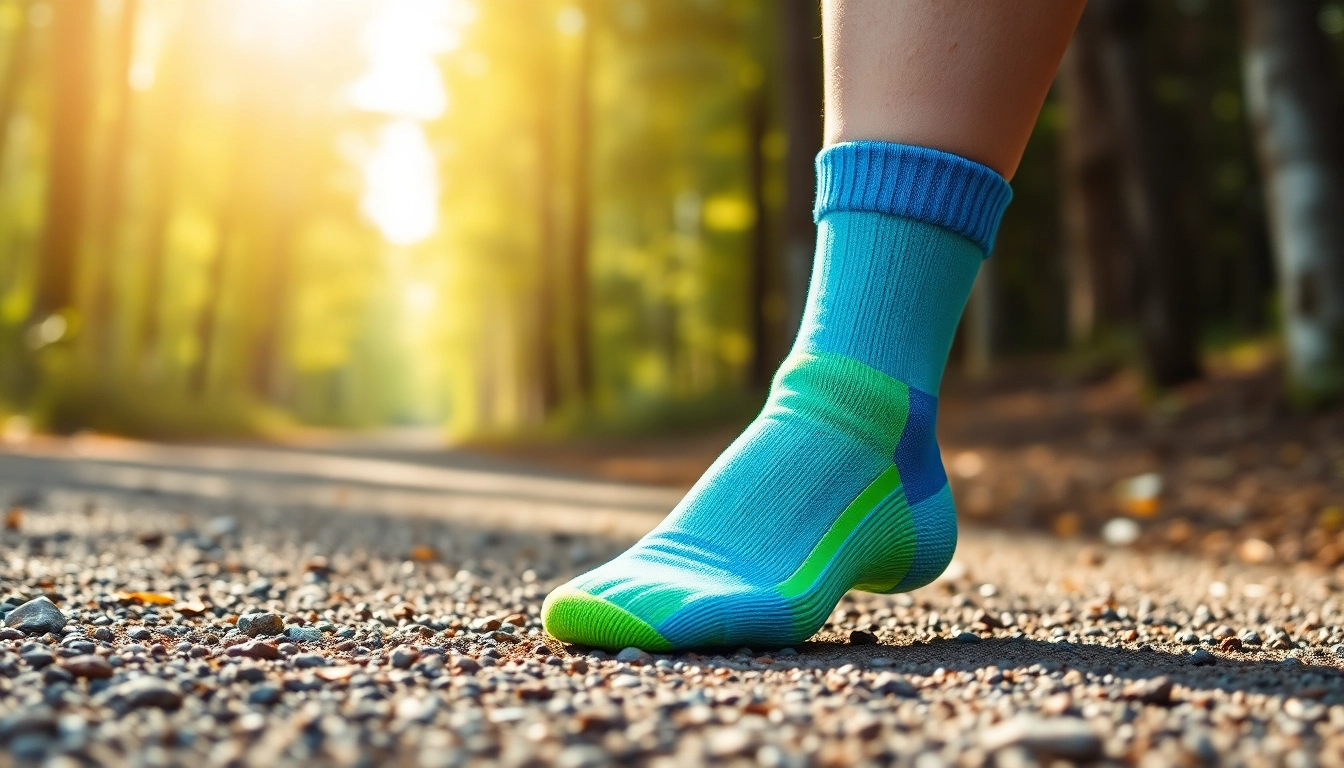
The Importance of Wearing Running Socks
When it comes to running, the right gear can significantly enhance your experience and performance. Among the essentials, one often overlooked piece is running socks. These specialized running socks play a crucial role in ensuring comfort and safety on your runs. By understanding their importance, you can make informed choices that positively impact your running routine.
Enhanced Comfort During Runs
Comfort is paramount for runners, and wearing the appropriate socks can make a substantial difference. Running socks are typically designed with moisture-wicking materials that keep feet dry, reducing the chances of discomfort from sweat accumulation. Long-distance runners particularly benefit from socks that have soft seams and a snug fit, as these features minimize friction and prevent chafing.
Moreover, many running socks offer cushioning in strategic areas, such as the heel and ball of the foot, which can enhance overall comfort during prolonged exertion. This cushioning helps absorb impact, providing a level of protection that regular cotton socks cannot offer. Investing in quality running socks can lead to a noticeably more enjoyable running experience.
Protection Against Blisters
Blisters are a common complaint among runners and can significantly impede performance. Wearing regular socks exposes feet to friction from both the sock and shoe. Running socks, however, typically feature a tighter fit and strategic padding, which reduces the likelihood of skin irritation. Furthermore, many are crafted from synthetic materials that repel moisture, thereby reducing the damp environment that fosters blister formation.
To protect against blisters, consider socks with flat seams that allow for smooth contact and less friction. Trialing different styles can also help identify a sock that works best for your foot shape, further minimizing your risk for blisters.
Temperature Regulation
Running conditions can vary widely, and proper temperature regulation is essential for maintaining performance and comfort. Quality running socks are designed to manage temperature effectively, using breathable materials to keep your feet cool in warm conditions while also retaining warmth during colder runs. For example, merino wool socks are ideal for colder weather, as they provide excellent insulation while also wicking away moisture.
The ability to regulate temperature contributes not only to comfort but also to overall foot health. Excessive heat can lead to excessive moisture and, subsequently, fungal infections. Thus, selecting the right pair based on seasonal conditions is critical.
Features to Look For in Ideal Running Socks
When selecting running socks, certain features can significantly enhance your running experience. Understanding these characteristics can guide you in choosing the best socks for your needs.
Material Composition and Breathability
The material is arguably the most critical element of any running sock. Synthetic fibers such as nylon and polyester are popular due to their moisture-wicking properties, which help keep feet dry. Performance-grade socks often incorporate advanced blends that enhance breathability and stretch. Breathable materials allow for air circulation, minimizing overheating and enhancing comfort during long runs.
Additionally, some running socks include merino wool as a component. This natural fiber offers excellent temperature regulation and moisture-wicking properties, making it a versatile choice year-round.
Cushioning Options
Cushioning in running socks varies widely, from ultra-thin designs to heavily cushioned versions. The choice largely depends on personal preference and running style. Runners who prefer minimalist shoes may opt for thinner socks, while those who engage in long-distance running may benefit from additional padding that offers extra shock absorption.
Different brands provide varying levels of cushioning, so it may be worthwhile to experiment to find the right balance that provides comfort and support without compromising feedback from the ground.
Fit and Compression Levels
The fit of your running socks is non-negotiable. Poorly fitting socks can contribute to blisters and discomfort. Look for socks designed specifically for a snug fit that remain secure without sliding around. Many runners prefer a sock that provides moderate compression, as this can improve blood flow and reduce muscle fatigue by supporting the foot's arch.
Compression socks are a trend gaining traction, especially among long-distance runners. They can help enhance performance and recovery by minimizing muscle vibration and improving circulation. Selecting socks with a proper level of compression suited to your running style can maximize your running efficiency.
How Proper Running Socks Improve Performance
The right pair of running socks can do more than just protect your feet; they can also significantly enhance your performance. Here are several ways how investing in proper running socks can yield tangible results.
Support and Stability
Proper support is crucial during a run. Good-quality running socks offer a fit designed to support the contours of your feet, providing stability with each stride. Many modern running socks come with arch support, which mitigates the risk of injuries caused by overpronation or flat feet. This support can help you maintain a more efficient running form, translating into better performance over time.
Stabilizing features help to align your feet properly within your shoes, which can optimize your foot mechanics. Improved stability allows runners to expel less energy with every step.
Injury Prevention
Injuries can sideline even the most dedicated runners, but choosing the appropriate running socks can play a pivotal role in prevention. Beyond blister resistance, certain socks provide arch support and targeted cushioning where it’s needed most. This support can alleviate pressure on muscles and joints, reducing the risk of common running injuries such as shin splints and plantar fasciitis.
Additionally, socks that feature moisture-wicking properties help keep your feet dry, lowering the chance of infections caused by bacteria and fungi that thrive in damp environments.
Foot Mechanics and Efficiency
Energy efficiency in running can often come down to the minor details. Wearing well-fitted running socks allows for better foot mechanics, assisting in the distribution of impact forces across the foot. This improved distribution not only enhances comfort but also increases your running efficiency, enabling you to cover more ground with less effort.
High-quality running socks can minimize foot fatigue, contributing to a more responsive run. This is particularly beneficial in competitive situations, where every second counts. The right socks can help maintain your endurance, allowing for stronger finishes during races.
Popular Styles of Running Socks
Running socks come in various styles, each catering to different needs and preferences. Exploring these options can help you make an educated choice based on your specific running goals.
Compression Running Socks
Compression running socks have surged in popularity due to their supposed performance benefits. These socks fit snugly and provide graduated compression from the ankle to the calf. The benefits are twofold: they can enhance circulation during a run and assist in recovery afterward by reducing muscle soreness. Many athletes swear by this style for longer distances to avoid fatigue.
These socks are often thicker and cushioned, contributing to their longevity and effectiveness. For runners seeking aid in recovery or those who experience calf issues, compression socks may be worth considering.
Low-Cut vs. Crew Length
When it comes to sock length, the debate between low-cut and crew-length socks continues. Low-cut socks are favored in warm weather due to their breathability and cooler feel, allowing for a more barefoot-like experience. They can reduce bulk around the ankle and are less likely to be seen under lower-profile running shoes.
Crew-length socks, on the other hand, offer additional ankle protection and preserve warmth during cooler temperatures. They are also great for trail running, as they reduce the risk of debris entering the sock. Ultimately, the choice between low-cut and crew-length boils down to personal preference and running conditions.
Specialized Socks for Different Weather Conditions
Different weather conditions require different types of socks to maintain performance and comfort. Hot weather often calls for lightweight, moisture-wicking socks that allow for maximum ventilation. Conversely, in colder runs, thicker, insulating socks made of materials like merino wool can help keep feet warm without compromising breathability.
For wet conditions, consider socks with synthetic fabrics that repel water while still keeping feet comfortable. Specialized socks may even include reflective materials for increased visibility during low-light conditions. Being equipped with the right socks for varying conditions will ensure you can perform your best, regardless of the weather.
Frequently Asked Questions About Running Socks
What materials are best for running socks?
The best materials for running socks include synthetic fibers like polyester and nylon due to their moisture-wicking properties, along with merino wool for temperature regulation and comfort.
How often should I replace my running socks?
It’s advisable to replace running socks every 300-500 miles or whenever they show signs of wear and tear, including thinning fabric, holes, or loss of elasticity.
Can running socks help prevent injuries?
Yes, running socks designed with cushioning, support, and moisture-wicking properties can help minimize the risk of injuries by providing comfort and stability during runs.
What is the ideal fit for running socks?
The ideal fit for running socks should be snug but not too tight. Look for a seamless interior and a design that conforms to your foot's shape to prevent slipping and chafing.
Are there specific socks for trail running?
Yes, trail running socks are specially designed with additional features like extra cushioning, moisture management, and higher lengths to protect against environmental debris and elements.