Understanding Solar Maintenance New Jersey
Solar maintenance is a crucial aspect of ensuring that photovoltaic systems operate efficiently and safely. In New Jersey, where solar energy adoption is on the rise, solar maintenance New Jersey has gained significance for both residential and commercial properties. A regular maintenance schedule can help in identifying potential issues, reducing costly repairs, and maximizing energy output. This guide will delve into various facets of solar maintenance specific to New Jersey, offering insights into the importance, common issues, best practices, costs, and more.
What is Solar Maintenance?
Solar maintenance encompasses a range of tasks performed to keep solar panels and related equipment operating at optimal performance. It involves regular cleaning, inspection, and servicing to ensure that solar systems are free from obstructions, functioning correctly, and producing the expected amount of energy. Maintenance may include cleaning solar panels to remove dirt or debris, checking for physical damage, inspecting wiring, inverters, and battery systems, and replacing aging components when necessary.
Importance of Regular Maintenance
Regular maintenance is vital to sustain the efficiency and longevity of solar systems. Without it, dirt accumulation, wear and tear, and environmental factors can diminish the system's performance. Maintenance helps to:
- Maximize Energy Production: Clean panels and well-maintained components can significantly enhance energy output.
- Extend System Lifespan: Routine checks can catch issues early, preventing major damage and prolonging the life of the system.
- Ensure Safety: Regular maintenance helps identify any electrical issues that could pose safety risks to homeowners and property.
Frequency of Maintenance Checks
The frequency of maintenance checks can vary based on several factors including the system type, location, and environment. However, a general guideline is:
- Annual Inspections: A professional inspection at least once a year is recommended to assess the overall health of the solar system.
- Biannual Cleaning: Depending on environmental conditions, the panels should be cleaned every six months to remove dust, pollen, and other debris.
- After Severe Weather: Inspections following harsh weather events like storms or hail are essential to check for possible damages.
Common Issues in Solar Panels
Identifying Physical Damage
Physical damage to solar panels can occur due to various factors such as storms, hail, or accidental impacts. Signs of physical damage include:
- Cracks: Visible cracks on the surface of panels can indicate severe impact.
- Discoloration: Areas that look faded or yellowed may signal underlying damage affecting performance.
- Water ingress: Moisture accumulation between glass layers can lead to failure.
Performance Drop: Signs and Causes
A notable decrease in energy production might indicate an issue with your solar system. Some common signs include:
- Lower than expected energy output: Regularly monitor your system's performance to catch discrepancies.
- Inverter alerts: Most solar systems feature inverters that provide error messages or indications of problems.
- Increased energy bills: A rapid increase in your utility bills could suggest the solar system is underperforming.
Weather Impact on Solar Systems
Weather conditions significantly affect solar system efficiency. In New Jersey, factors include:
- Snow and Ice: Accumulation can block sunlight and hinder energy production.
- Rain: While cleaning panels, heavy rainfall can wash away debris, yet too much moisture can cause electrical issues.
- Excessive Heat: Prolonged high temperatures can reduce solar panel efficiency, making regular checks critical.
Best Practices for Solar Maintenance New Jersey
Routine Cleaning Techniques
Proper cleaning is an essential maintenance practice that boosts energy efficiency. Recommended techniques include:
- Soft wash method: Use a soft brush and mild soap solution to avoid scratches.
- Hose down: A gentle rinse with a hose can remove loose dirt and debris.
- Timing for cleaning: Early mornings or late afternoons are ideal to prevent streaks caused by the sun.
Upgrading Components for Efficiency
Upgrading components can greatly enhance the performance of solar systems. Consider:
- Inverter upgrades: Modern inverters improve energy efficiency and provide better monitoring of performance.
- Panel replacements: When panels age, swapping them out for newer, more efficient models can significantly boost output.
- Battery storage systems: Investing in battery technology allows energy storage for use during non-sunny hours.
Hiring Professionals vs DIY Maintenance
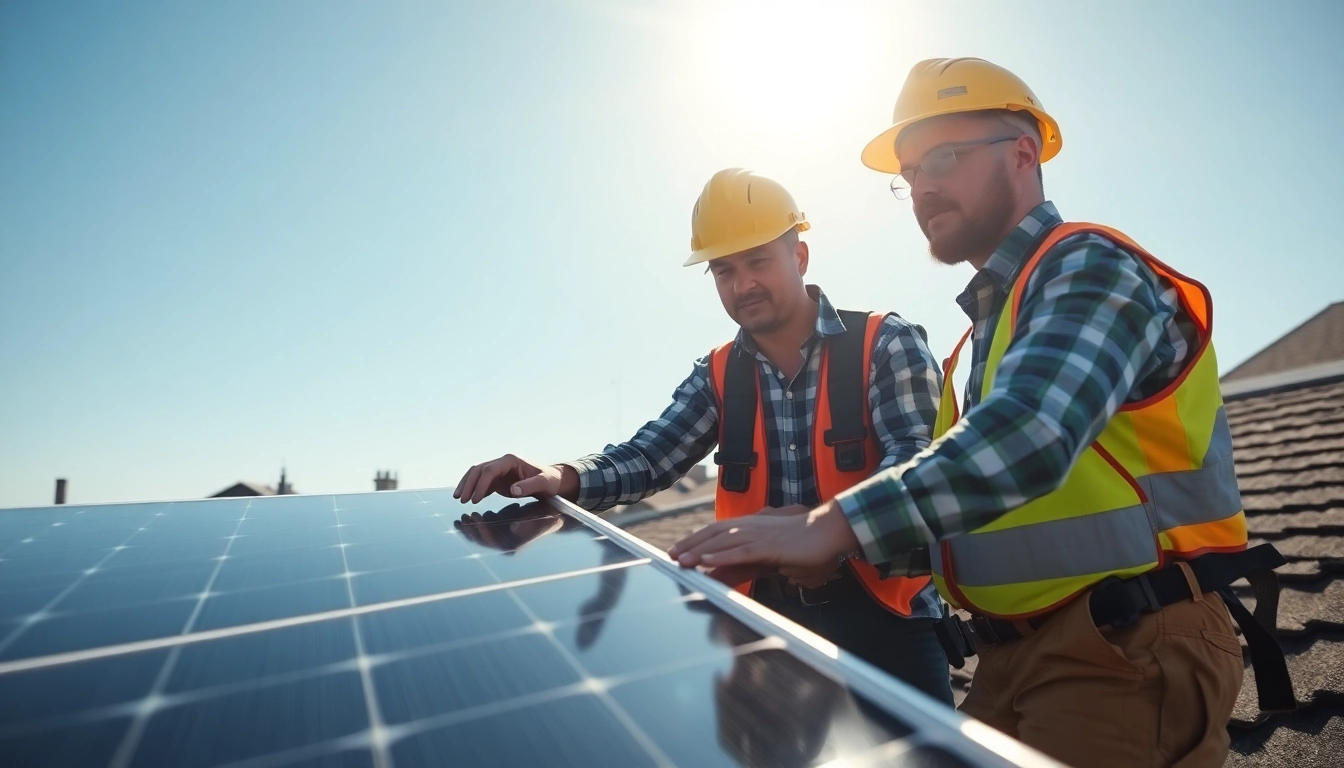
While DIY maintenance may seem cost-effective, the risks associated with climbing on rooftops and handling electrical components can be substantial. Hiring professionals offers several advantages:
- Expertise: Professionals are equipped with knowledge about solar systems and the necessary safety protocols.
- Comprehensive servicing: Expert services include both cleaning and repairs, ensuring no detail is overlooked.
- Warranties: Many professionals offer guarantees for their workmanship, giving homeowners peace of mind.
Cost of Solar Maintenance New Jersey
Average Pricing for Services
The costs for solar maintenance services in New Jersey vary, depending on the scope and frequency of the services. Average costs can range from:
- Cleaning: Typically between $150 to $300 depending on the size of the system.
- Annual inspection: A comprehensive check-up usually costs from $100 to $500.
- Repairs: Depending on the nature of the issue, repair costs can be significant; however, many issues can be addressed during regular maintenance checks.
Factors Affecting Maintenance Costs
Several factors influence the cost of solar maintenance, including:
- System size: Larger systems often require more extensive maintenance.
- Type of service required: General cleaning is less expensive compared to repairs or component replacements.
- Access difficulty: Roofs that are harder to access may incur additional costs for safety equipment and labor.
Cost-Effective Solutions for Homeowners
Homeowners can reduce maintenance costs by:
- Regular monitoring: Keep track of system performance to identify issues early.
- Timing renovations: Plan major repairs or upgrades during off-peak seasons to benefit from lower rates.
- Bundling services: Consider local service providers that offer package deals for multiple maintenance tasks.
FAQs about Solar Maintenance New Jersey
How often should I maintain my solar panels?
It's advisable to have a professional inspection once a year and clean your panels biannually to ensure optimal performance.
What are the benefits of regular maintenance?
Regular maintenance maximizes energy production, extends system lifespan, and ensures safety by identifying potential issues early.
Can I clean my solar panels myself?
Yes, but it's best to use a soft brush and mild solution. If unsure, hiring professionals guarantees thorough and safe cleaning.
What signs indicate my panels need repair?
Signs include visible damage, continuous alerts from the inverter, and sharp drops in energy production compared to previous outputs.
How much does solar maintenance typically cost?
Maintenance costs range from $150 to $300 for cleaning and up to $500 for thorough annual inspections, depending on the system size and type of service.