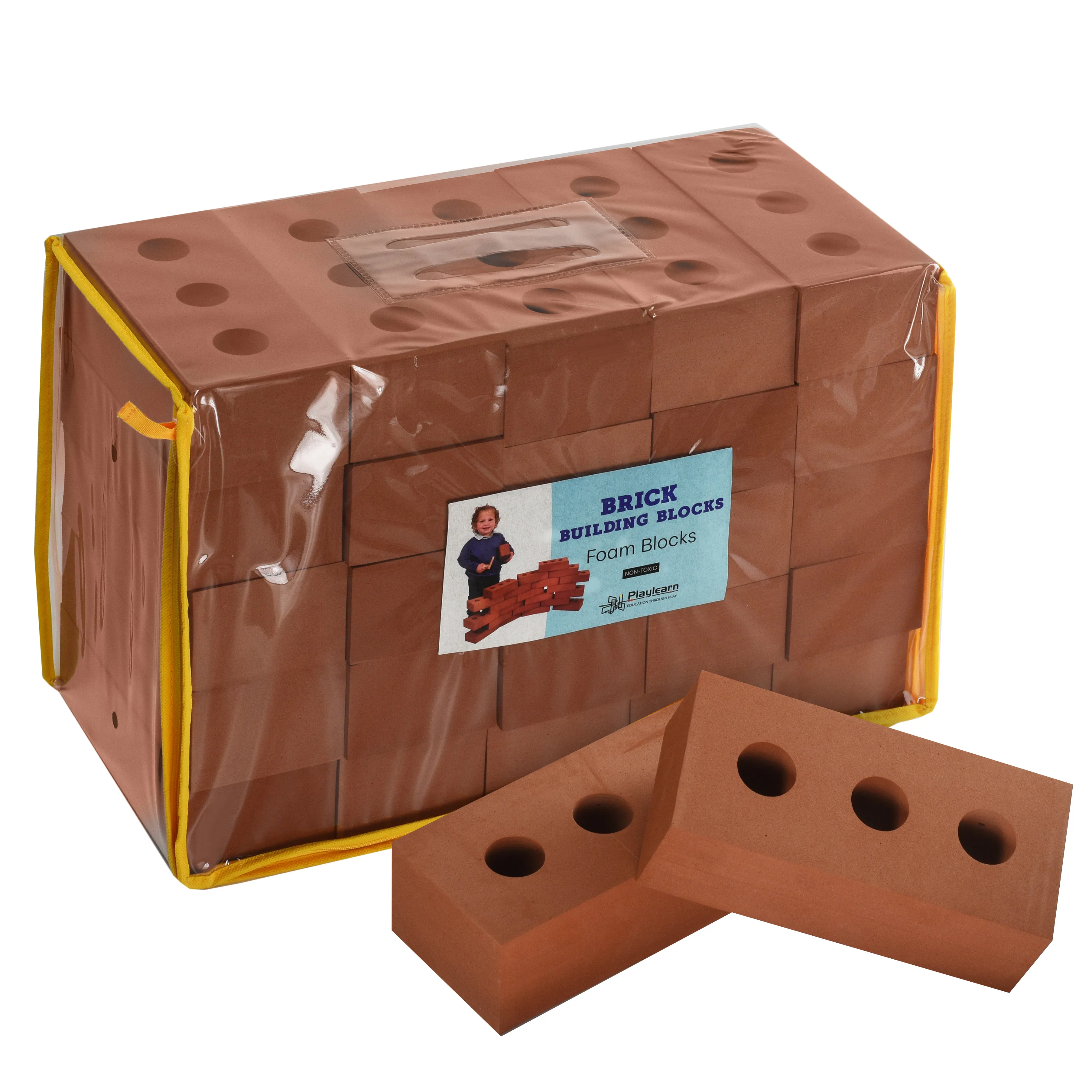
Introduction to Giant Foam Building Blocks
In the world of children's play, creativity knows no bounds, and giant foam building blocks stand out as a fantastic medium for imaginative exploration. Unlike traditional building materials, these blocks are soft, lightweight, and forgiving, allowing children to push the limits of their creativity without the fear of injury. (To delve deeper into the advantages and varieties of these engaging toys, find out more about the many options available.) Whether stacking, building, or simply enjoying tactile play, kids find joy and learning in every block they lay down.
What Are Giant Foam Building Blocks?
Giant foam building blocks are oversized play pieces made from soft, durable foam material. Typically larger than traditional building bricks, these blocks are designed for young children, with an emphasis on safety and ease of use. They often come in various shapes and colors, encouraging imaginative play and creativity. Parents and educators appreciate that these blocks can be used for multiple purposes—from basic stacking to complex architectural designs, transforming any space into a playground of imagination.
Benefits for Child Development
The developmental benefits of playing with giant foam blocks are extensive:
- Motor Skills Development: Children enhance their fine and gross motor skills as they manipulate blocks, stack them, and balance them.
- Social Skills: Cooperative play encourages communication and teamwork among peers, fostering essential social skills.
- Creative Thinking: The open-ended nature of foam building blocks stimulates creativity, allowing children to explore and execute their ideas freely.
- Problem-Solving Skills: As children face the challenges of balance and stability, they learn to devise solutions, enhancing their critical thinking capabilities.
Choosing the Right Set for Your Home
When selecting a set of giant foam blocks for your children, consider the following factors:
- Age Appropriateness: Ensure the blocks are suitable for your child's age group, typically ranging from two to ten years.
- Size and Variety: Look for sets that include a variety of shapes and sizes to enhance versatile play options.
- Safety Standards: Verify that the foam is non-toxic and compliant with safety regulations to ensure safe play.
- Storage Solutions: Opt for sets that come with storage options, making it easier to keep play areas organized.
Creative Play Ideas Using Foam Blocks
Giant foam building blocks can be used in myriad exciting ways, promoting not just play but also learning and interaction. Below are some creative play ideas that can inspire hours of fun.
Building Themes and Structures
Encouraging themed builds offers children the chance to engage their imaginations. Here are some inspiring themes:
- Castles and Forts: Create majestic castles or forts where kids can pretend they are knights, princesses, or castle guards.
- Cars and Vehicles: Use blocks to construct cars, buses, or even rocket ships, fostering an adventure-filled atmosphere.
- Gardens and Nature: Engage children in building flower gardens or animal habitats, merging playtime with nature education.
Incorporating Other Toys
Combining foam blocks with other toys expands the possibilities for play. For instance:
- Action Figures and Dolls: Use blocks to create surroundings or homes for their favorite characters, encouraging story-driven play.
- Cars and Tracks: Set up a track layout for cars using foam blocks as barriers or road markers, blending fine motor skills with imaginative scenarios.
- Animal Figurines: Creating habitats with foam blocks for animal toys brings learning about ecosystems into playtime.
Hosting Foam Block Playdates
Foam blocks are perfect for collaboration, making them an excellent choice for playdates. Here are some tips for organizing amazing foam block gatherings:
- Set Up Zones: Designate areas for different activities—building, role-playing, or even obstacle courses—to structure play.
- Team Challenges: Encourage children to collaborate on building a particular project, fostering teamwork and communication.
- Decoration and Customization: Allow kids to decorate blocks with safe, washable materials like stickers or markers, personalizing their creations.
Safety Tips for Indoor Play
While foam blocks are generally safe, ensuring a secure play environment is essential. Implementing a few safety measures can help keep kids safe while they enjoy their building adventures.
Making Your Play Area Safe
To create a safe indoor play space for foam blocks, consider the following:
- Clear the Area: Remove any sharp objects or potential hazards within the play zone.
- Soft Surfaces: Use soft mats or carpets to further cushion falls and provide comfort during play.
- Ensure Adequate Space: Provide enough room for children to move freely without running into furniture or walls.
Supervision Guidelines for Parents
Active supervision during playtime is crucial. Here are a few tips to follow:
- Stay Engaged: Join in the play; it not only ensures safety but also enhances the experience for children.
- Know the Players: Be aware of the interactions between children to intervene swiftly if misunderstandings arise.
- Teach Safety Practices: Encourage children to play gently and avoid pushing or throwing blocks at others.
Avoiding Common Hazards
Here are practical ways to mitigate risks during play:
- Limit Number of Players: Depending on the area available, limit the number of children playing simultaneously to avoid overcrowding.
- Avoid Competing Builds: Build quietly or work on individual projects to minimize frustration and potential accidents.
- Regularly Inspect Blocks: Check for tears or damage to foam blocks regularly to ensure they remain safe for play.
Maintaining and Caring for Foam Blocks
Keeping foam blocks clean and in excellent condition extends their lifespan, ensuring they continue to provide joy and learning opportunities for years on end.
Cleaning Guidelines for Foam Toys
Maintenance is essential for hygiene and longevity. Here’s how to effectively clean foam blocks:
- Mild Cleaning Solutions: Use a mixture of mild soap and warm water to clean the blocks, avoiding harsh chemicals.
- Air Drying: Rinse thoroughly, ensuring all soap residue is removed, and allow the blocks to air dry completely before storage.
- Regular Cleaning Schedule: Set a routine for cleaning blocks, especially after play sessions with lots of physical activity.
Storage Solutions to Maximize Space
Efficient storage is vital for maintaining an organized play area. Consider these storage solutions:
- Bins and Baskets: Use designated bins or baskets to keep blocks organized and easily accessible.
- Mesh Bags: Mesh bags allow airflow while holding blocks, making cleanup a breeze without trapping moisture.
- Vertical Storage: Stackable storage options can elevate blocks off the floor, saving space and keeping the area tidy.
Long-Lasting Tips for Durability
To ensure your foam blocks last, keep these tips in mind:
- Avoid Overexposure: Keep foam blocks away from direct sunlight for extended periods to prevent fading and material degradation.
- Store Properly: Always store foam blocks in a cool, dry place to prevent warping or damage from humidity.
- Repair Small Damages: If tears occur, use fabric glue or patches designed for foam to reinforce and extend the life of your blocks.
FAQs About Giant Foam Building Blocks
What age group are foam blocks suitable for?
Foam blocks are typically designed for children ages 2-10, supporting their creativity and motor skills as they play.
Are foam building blocks safe for children?
Yes, the soft and lightweight design of foam blocks significantly reduces injury risks, promoting safe, imaginative play.
Can foam blocks be used outdoors?
Though primarily crafted for indoor use, many foam blocks are robust enough for supervised outdoor play, provided care is taken.
How do I clean foam blocks?
Foam blocks can be cleaned using a mild soap solution, rinsed thoroughly, and air-dried to prevent moisture damage.
What storage options are best for foam blocks?
Bins, baskets, or mesh bags work well to keep foam blocks organized, making them easily accessible for children to play.