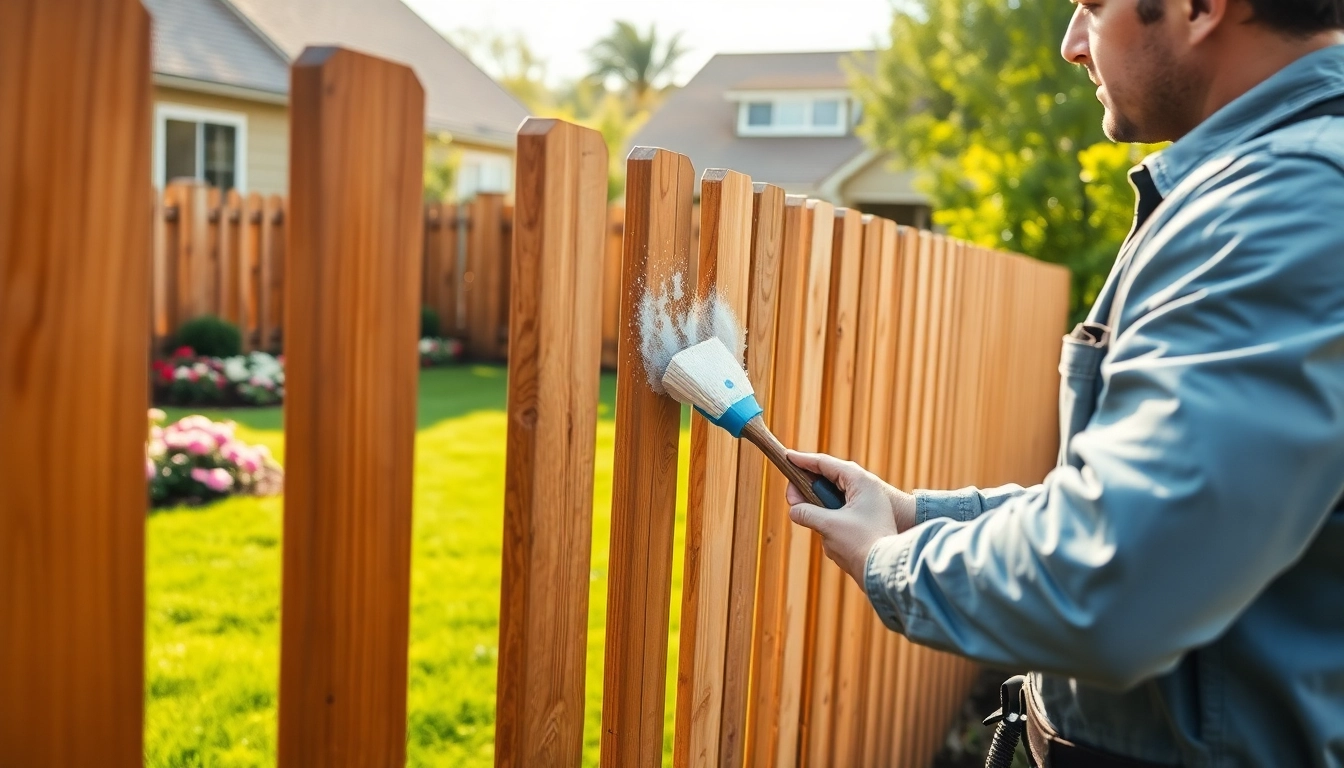
Understanding the Need for Fence Cleaning
Fences play a crucial role in defining boundaries, enhancing privacy, and adding aesthetic beauty to your property. However, like any outdoor structure, they are susceptible to grime, mold, mildew, and general wear over time. Regular Fence Cleaning not only extends their lifespan but also ensures they contribute positively to your home's appearance. This article dives into why cleaning your fence is essential, the signs indicating that your fence is overdue for a proper clean, and the impact it can have on your property's value and curb appeal.
Why Regular Fence Cleaning is Essential
The reasons for regular fence cleaning are manifold. First and foremost, dirt and organic growth, such as moss and algae, can degrade the materials of your fence. Wood may rot, metal can corrode, and vinyl can lose its shine. This degradation not only affects the physical integrity of the fence but can also lead to expensive repairs or replacements. Moreover, a well-maintained fence reflects the attention you give to your property, signaling to guests and passersby that you uphold high standards in your home's upkeep.
Common Signs Your Fence Needs Cleaning
Keeping an eye on specific indicators can help you identify when your fence requires urgent cleaning:
- Discoloration: If the color of your fence appears faded or uneven, it may have accumulated dirt or mildew.
- Mold or Mildew Growth: The presence of green or black splotches often indicates mold or mildew that needs to be treated immediately.
- Dirt Accumulation: A noticeable build-up of dust and dirt can detract from your fence's appeal and requires cleaning.
- Rotting or Degrading Material: Wood fences may show signs of rot, especially in areas where water tends to pool. If the wood feels soft or spongy, it's time to clean and possibly treat or replace sections of the fence.
Impact on Property Value and Curb Appeal
The maintenance of your fence directly contributes to your home’s curb appeal. A clean and attractive fence enhances the visual impact of your landscape, potentially increasing your property value. This is particularly important if you plan to sell your home. Prospective buyers often notice well-kept fences as a reflection of the overall home value. Thus, ensuring your fence is clean and in good repair can translate into a favorable first impression and a higher selling price.
Preparation for Effective Fence Cleaning
Gathering the Right Tools and Supplies
The first step in preparing for fence cleaning is collecting the necessary tools and supplies. Some essential items include:
- Cleaning Solution: Choose a suitable cleaning solution depending on the material of your fence.
- Broom or Brush: For scrubbing surfaces, a stiff brush or broom can help remove stubborn dirt.
- Pressure Washer: If your fence material allows it, a pressure washer can make cleaning much easier and efficient.
- Protective Gear: This includes gloves, masks, and eyewear to protect yourself from cleaning agents or debris.
Safety Precautions to Consider
When executing any cleaning task, safety should be a priority. Here are several safety precautions to consider:
- Always wear protective gear to guard against splashes from cleaning chemicals.
- Ensure that power tools such as pressure washers are used according to the manufacturer's instructions.
- Be cautious of slippery surfaces, particularly if working on wet areas of your fence.
- Keep electrical equipment away from moisture to prevent electrical hazards.
Choosing the Right Cleaning Solutions
Different fence materials require specific cleaning solutions. Common options include:
- For Wood Fences: A mixture of water and mild detergent, or a specialized wood cleaner, works well for general cleaning.
- For Metal Fences: Use a rust remover or a mixture of vinegar and baking soda for corrugated metal or aluminum fences.
- For Vinyl Fences: A solution of vinegar and water is often effective, while commercial cleaners can tackle tougher stains.
Step-by-Step Guide to Fence Cleaning
Preparing Your Fence for Cleaning
Before diving into cleaning, follow these preparation steps:
- Clear the Area: Remove any foliage or items near the fence that may obstruct your cleaning process.
- Inspect the Fence: Look for any damage that needs repairing prior to cleaning, such as loose boards or rust.
- Wet the Fence: Lightly spray the fence with water to help loosen dirt and ensure the cleaning solution works effectively.
Executing the Cleaning Process
Once you've prepared the area and the fence, follow these steps for effective cleaning:
- Apply the Cleaning Solution: Use a brush, sponge, or sprayer to apply your chosen cleaning solution evenly over the surface of the fence.
- Scrub Thoroughly: For wooden fences, scrub in the direction of the wood grain to avoid damaging the surface. Metal fences may require a more vigorous scrubbing.
- Rinse Off: Use a garden hose or pressure washer to rinse the cleaning solution off thoroughly, ensuring no residue is left that could attract dirt.
- Inspect Again: After cleaning, inspect the fence for any remaining stains or issues that require additional attention.
Post-Cleaning Maintenance Tips
Maintaining your fence post-cleaning is critical for longevity:
- Consider applying a sealant or stain to wooden fences to protect against moisture and UV damage.
- Set a cleaning schedule. Regular cleaning every couple of years can prevent excessive build-up of grime.
- Inspect the fence periodically for damages or growth of mold or mildew, especially after heavy rains or humid periods.
Different Types of Fences and Their Cleaning Methods
Wood Fence Cleaning Techniques
Wood fences are prone to mold and grime, necessitating specific care. Use a wood-specific cleaner and tools that won’t scratch the surface. Bleach can be effective against mildew, but be sure to dilute it and test a small area first to avoid discoloration. After cleaning, consider sealing the wood to protect it from future damage.
Metal Fence Cleaning Approaches
For metal fences, rust can be a significant concern. Gentle scrubbing using vinegar or a rust remover helps to lift stains without damaging the paint. Regularly check for scratches or marks where rust may start and repaint as necessary to protect the metal underneath.
Vinyl Fence Cleaning Best Practices
Vinyl fences tend to resist stains, but they can still get dirty over time. A solution of vinegar and water is effective at removing dirt while being gentle on the material. Always rinse thoroughly to avoid leaving any cleaning residue that can attract dirt.
Cost Considerations and DIY vs. Professional Services
Understanding Cleaning Costs Based on Fence Size
The cost of cleaning a fence generally varies based on its size and material. On average, professional cleaning can range from:
- Smaller fences (50 linear feet): Approximately $30-$200
- Medium fences (100 linear feet): Approximately $60-$400
- Larger fences (200 linear feet): Approximately $120-$800
DIY cleaning can significantly reduce costs, often just requiring the price of cleaning solutions and materials.
When to Hire Professionals for Fence Cleaning
While DIY cleaning is approachable, there are situations where hiring professionals is advisable. If your fence is highly damaged, made from sensitive materials, or if you lack the time or tools to clean effectively, professional services can ensure thorough cleaning without risk of damage.
DIY Tips for Cost-Effective Fence Cleaning
If you decide to take on the task yourself, consider the following tips:
- Make your cleaning solution using household products like vinegar and baking soda.
- Rent or borrow a pressure washer if heavy cleaning is needed, as purchasing one can be costly.
- Enlist help from friends or family to make the task faster and more enjoyable.
Frequently Asked Questions
How often should I clean my fence?
It's generally advisable to clean your fence at least once a year, or more frequently in areas with high humidity or intense weather conditions.
Can I use bleach to clean my wood fence?
Yes, but it's essential to dilute it properly and test a small area first to prevent discoloration. Always follow with thorough rinsing to avoid residue.
What is the best cleaning solution for vinyl fences?
A mixture of vinegar and water is effective for cleaning vinyl fences, providing a gentle but effective cleaning method. Always rinse after application.
Will pressure washing damage my fence?
Pressure washing can harm certain types of wood if not used correctly. Always use a lower pressure setting and consider the type of material before applying.
Should I treat my fence after cleaning?
Yes, treating your fence after cleaning can help protect it from the elements, especially for wooden fences that benefit from sealing or staining.