Understanding the Gradall: Features and Benefits
What is a Gradall?
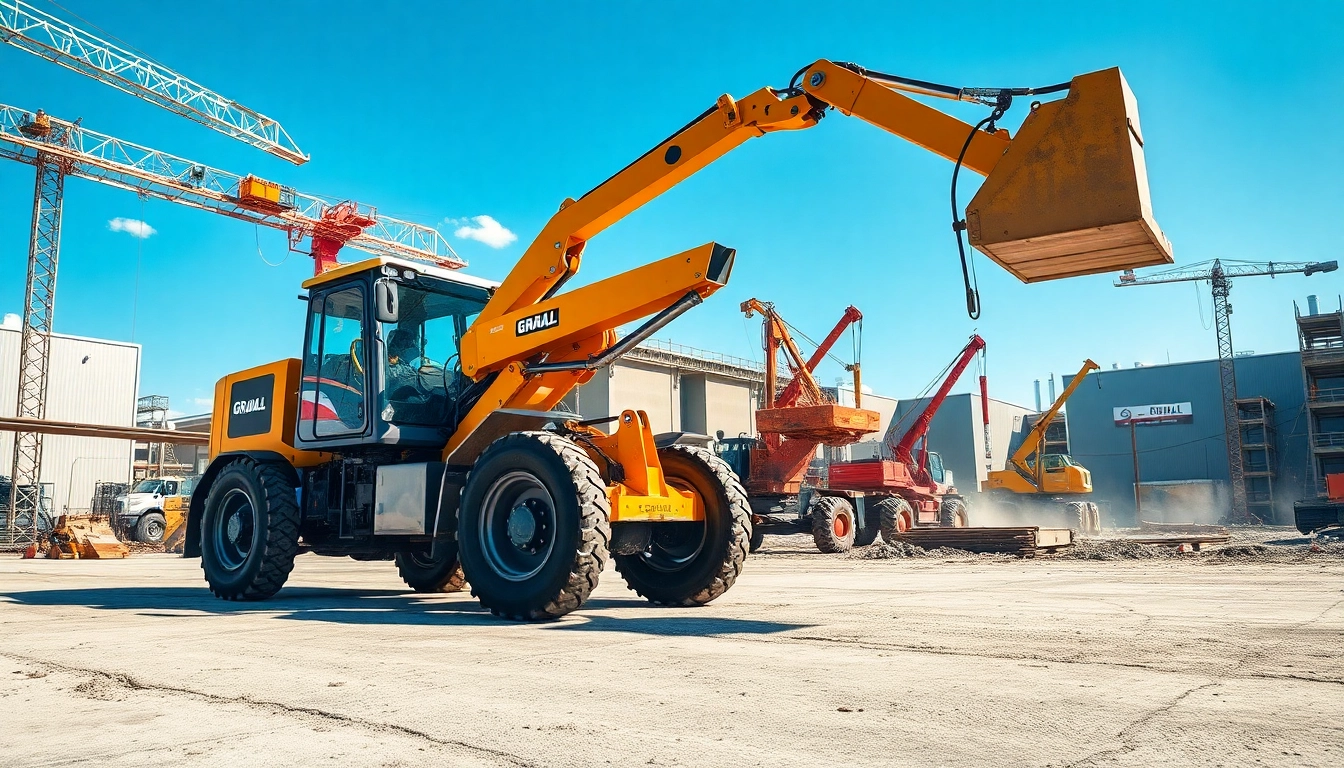
A gradall is a versatile excavating machine that uniquely combines the functionality of traditional excavators with additional features suited for various applications. It utilizes an extendable, telescopic arm that can perform tasks typically reserved for multiple types of equipment. This machinery is recognized for its ability to navigate challenging terrains while offering superior reach and maneuverability, striking a perfect balance between compactness and power.
Key Features of Gradall Equipment
Gradall products stand out due to several key features:
- Telescopic Boom: Allows for extended reach, enabling operators to work in tight spaces and high elevations that can be difficult for standard excavators.
- Multi-Purpose Attachments: Interchangeable tools make the gradall adaptable for various tasks, including digging, lifting, and material handling.
- Compact Design: The smaller footprint of these machines means they can easily maneuver in urban areas or congested job sites.
- Hydraulic Power: Advanced hydraulic systems provide strong lifting capabilities while maintaining stability.
- User-Friendly Controls: Ergonomic and intuitive controls enhance operator efficiency, reducing fatigue during long hours of operation.
Benefits of Using a Gradall in Construction
The adoption of gradall equipment in construction projects brings forth numerous advantages:
- Increased Productivity: The unique design and capabilities of a gradall allow for faster job completion, as it can perform multiple tasks without the need for equipment changes.
- Cost-Effective: With the ability to replace several machines, the gradall reduces both capital expenditures and maintenance costs.
- Enhanced Safety: Improved visibility and stability reduce the risk of accidents on the job site, making it a safer option for operators.
- Versatile Applications: From grading and backfilling to utility maintenance and landscaping, the adaptability makes it suitable for a wide range of projects.
Applications of Gradall in Various Industries
Construction Projects
In the construction industry, gradalls are particularly valuable due to their capacity to operate effectively in diverse environments. They are ideal for tasks such as:
- Site Preparation: Clearing and grading before the foundation work begins.
- Concrete Placement: Efficiently placing concrete in foundations, walls, or other structures.
- Landscaping: Precise digging and grading for landscaping projects.
Utility Maintenance
Utility companies find gradalls invaluable for maintaining infrastructure. Their ability to reach difficult areas allows for:
- Pole Setting: Efficient installation of utility poles and fixtures.
- Repair Work: Quick access and repair to underground utilities without the disruption caused by larger machinery.
- Inspection: Operators can easily inspect sites from elevated positions.
Agricultural Uses of Gradall
In agriculture, the versatility of a gradall can be brought to bear in various contexts:
- Land Preparation: Grading and leveling fields to optimize drainage and crop yields.
- Farm Maintenance: Handling boulders, large debris, and even livestock fencing.
- Harvesting Tasks: Used in some cases to assist in the harvesting of larger crops.
Gradall vs Traditional Excavators: A Comparison
Performance and Efficiency
When comparing gradalls to traditional excavators, performance is pivotal. Gradalls shine particularly in:
- Speed: They can complete tasks more swiftly due to fewer transitions between attachments.
- Handling: Gradalls often have superior weight distribution, enabling better balance during lifting operations.
- Precision: The telescopic arm design allows fine control in delicate excavation processes.
Cost-Effectiveness
In terms of cost considerations, a gradall often proves to be more cost-effective over time:
- Reduced Equipment Needs: A single gradall can replace several machines, lowering acquisition costs.
- Lower Operating Costs: Efficient fuel consumption and maintenance needs result in long-term savings.
- Increased Resale Value: Versatile machinery tends to retain value better in the resale market.
Versatility in Operations
The gradall's unique design allows for versatility not commonly matched by traditional excavators:
- Multiple Uses: Ideal for both construction and utility work, leading to fewer specialized machines needed.
- Compatibility: Works seamlessly with various attachments tailored to specific job requirements.
- Terrain Adaptability: Can operate in tighter spaces and uneven ground more effectively than standard excavators.
Best Practices for Operating a Gradall
Safety Guidelines to Follow
Safety is paramount when operating a gradall. Here are key guidelines:
- Training: Ensure all operators are fully trained on the equipment and its various functions.
- Personal Protective Equipment (PPE): Operators must wear appropriate safety gear at all times.
- Regular Site Inspections: Conduct thorough inspections of the job site before commencing operations.
Daily Maintenance Checks
Proper maintenance enhances performance and longevity. Daily checks should include:
- Fluid Levels: Check hydraulic fluids and engine oil before starting.
- Functionality Tests: Ensure all controls and attachments are in good working order.
- Visual Inspections: Look for leaks, wear, or damage that may compromise safety and operation.
Maximizing Performance in Tough Conditions
To maximize performance in challenging environments:
- Adjust Operational Tactics: Tailor your approach based on specific site conditions, including soft ground or steep slopes.
- Use Appropriate Attachments: Utilize tools designed for the task at hand for optimal performance.
- Monitor Machine Stress: Be conscious of strain on the machinery while executing demanding tasks to prevent failure.
Future Trends in Gradall Technology
Innovations in Excavation Techniques
The future of gradall technology is poised for innovations that will enhance excavation capabilities:
- Automation: The integration of automated systems to improve precision and reduce human error.
- Advanced Sensors: Utilization of real-time data analysis for optimal machine performance.
- Eco-Friendly Options: Development of hybrid or electric models that minimize environmental impact.
Environmental Considerations
Environmental consciousness is driving changes in construction technology:
- Noise Reduction: Implementing quieter machinery operations for urban areas.
- Fuel Efficiency: Gradalls are being designed for better fuel efficiency, lowering emissions during operation.
Future of Gradall in Construction
The future looks bright for gradall integration in construction, with ongoing developments suggesting:
- Wider Acceptance: As businesses recognize their utility, gradalls could become a staple on more job sites.
- Enhanced Maintenance Programs: Ongoing improvements in serviceability and upkeep promise to keep these machines operational longer.
Frequently Asked Questions (FAQs)
What types of attachments can be used with a Gradall?
A Gradall can utilize various attachments like buckets, forks, and specialized tools for diverse tasks including loading, digging, and lifting.
Can Gradalls be used on rough terrain?
Yes, Gradalls are designed to handle rough and uneven terrain, making them ideal for construction sites with challenging ground conditions.
How often should a Gradall be serviced?
Regular servicing every 250 hours of operation is recommended, along with daily checks to maintain optimal performance and safety.
Are Gradalls more fuel-efficient than traditional excavators?
Generally, Gradalls are designed for greater fuel efficiency, often resulting in lower operating costs compared to traditional excavators.
What safety features do Gradalls include?
Gradalls come equipped with features such as stability controls, ergonomic controls, and enhanced visibility to improve operator safety.