Understanding the million dollar homepage
Origins and Concept
The concept of the million dollar homepage originated in 2005, when a college student named Alex Tew created a website that consisted of a simple grid of one million pixels. Each pixel was available for purchase by advertisers at a cost of $1 each. The main idea was to provide a unique platform where businesses could gain visibility and marketing exposure. As the name suggests, the goal was to generate one million dollars, which Tew successfully achieved within a few months. This creative approach blurred the lines between art and advertising, prompting other entrepreneurs to take notice of the model.
How It Works
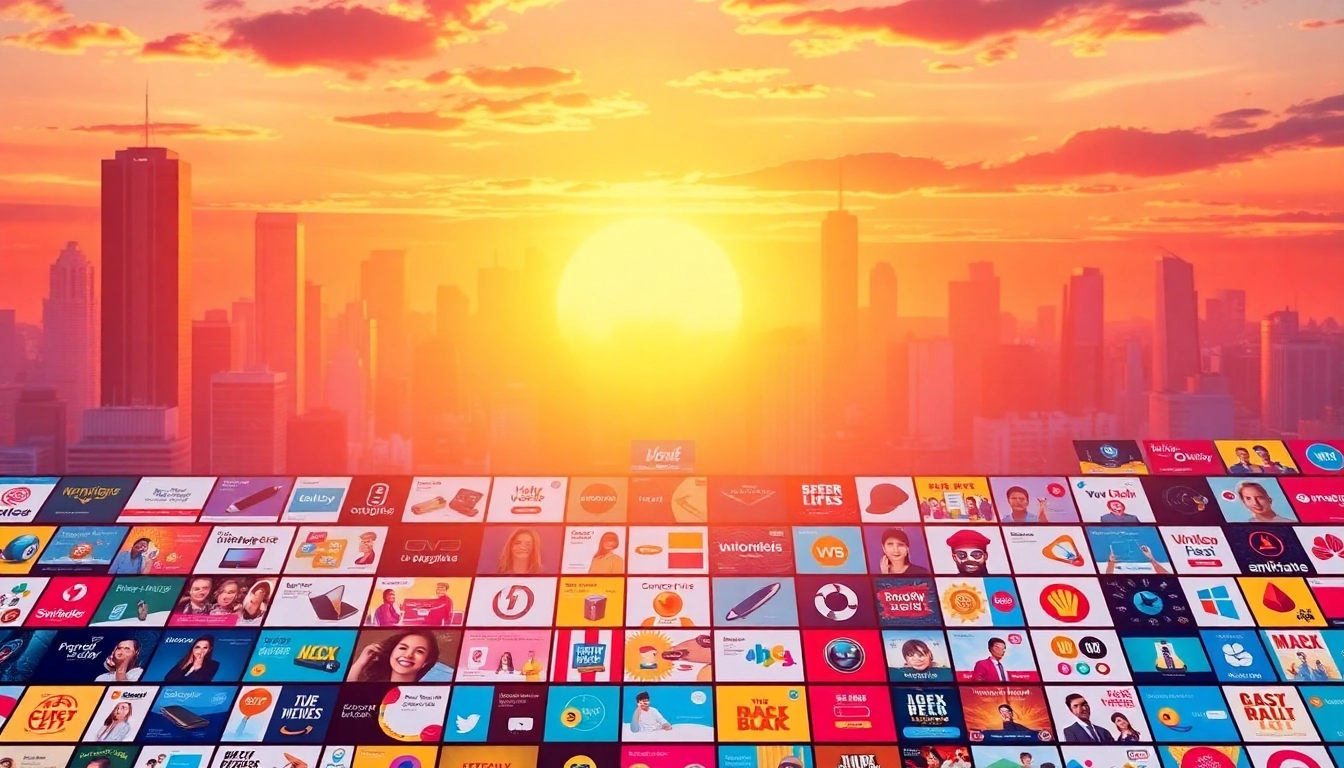
The million dollar homepage operates on a straightforward premise: advertisers buy sections of the homepage represented as pixels, placing their logos or ads on the grid. Once purchased, the ads lead to the respective advertiser's websites. The basic mechanics involve a single-page layout, where visitors can view all ads at once, providing a visual tapestry of varying brands and messages. Each pixel's visibility is a key selling point, enabling even smaller businesses to compete for attention alongside larger brands.
Impact on Advertising
The success of the million dollar homepage fundamentally shifted how digital advertising was perceived. It facilitated a novel advertising avenue that emphasized creativity and novelty over traditional banner ads. Brands began investing in pixels as a unique way to reach potential customers, demonstrating that out-of-the-box thinking could yield significant financial rewards. This model inspired various websites and advertising campaigns that mimicked the commercial concept, evolving the advertising landscape to embrace unconventional methods.
Creating Your Own million dollar homepage
Tools Needed
Creating your own version of the million dollar homepage requires a few essential tools. Firstly, a reliable web hosting service is crucial for managing and storing your site's content. Secondly, a user-friendly website builder or content management system (CMS) like WordPress can streamline the design process. Graphic design software, such as Adobe Photoshop, can help you create visually appealing ad spaces. Finally, implementing analytics tools will allow you to track visitor engagement and ad performance efficiently.
Designing the Layout
The layout of your pixel-based homepage is critical to its success. You should aim for a simplistic yet engaging grid format that showcases all pixels evenly. Consider using contrasting colors to differentiate sections and ensure that your grid is intuitive and user-friendly. A responsive design is imperative to accommodate various screen sizes and devices, maximizing user engagement. Also, think about featuring an eye-catching header or introductory message that succinctly conveys the purpose of your site.
Choosing Ads and Content
Selecting ads and content for your homepage is a vital strategy that can impact your overall appeal. It's beneficial to curate advertisements that resonate with your target audience, aligning with current trends and interests. Develop guidelines for ad submissions and create value propositions that explain what advertisers gain by participating. Additionally, actively engage potential advertisers, offering them unique deals for early sign-ups or bulk purchases to boost initial traction.
Marketing Strategies for Success
Effective Promotion Techniques
Promoting your million dollar homepage is essential to attracting both visitors and advertisers. Utilize search engine optimization (SEO) tactics to enhance organic visibility. Create engaging content on social media platforms to raise awareness and drive traffic to your homepage. Leverage collaborations with influencers in your niche, as their endorsement can significantly expand your reach. Be sure to incorporate email marketing campaigns targeted at both potential advertisers and potential users.
Engaging Your Audience
Engagement is key to maintaining interest in your homepage. Consider interactive features, such as polls or contests, where visitors can contribute ideas or vote on ad designs. A dedicated section for user-generated content can create community involvement and encourage return visits. Regular updates and showcases of new ads encourage users to check back often, fostering a sense of anticipation and engagement.
Leveraging Social Media
Social media is a powerful tool for promoting your million dollar homepage. Platforms like Instagram, Twitter, and Facebook can help you build an audience by sharing engaging visuals and content that highlight advertisers. Run targeted ads on these platforms to reach broader demographics and invite potential advertisers to sign up. Additionally, you can create a branded hashtag and encourage visitors to share their experiences on social media, further amplifying your reach.
Analyzing Performance Metrics
Key Metrics to Track
Monitoring performance metrics is crucial for assessing your million dollar homepage's success. Key metrics to focus on include website traffic, engagement rates, click-through rates (CTR) for each ad, and conversion rates. Google Analytics provides valuable insights, tracking user behavior and engagement trends over time. Recognizing which ads perform best can inform decision-making and refine your strategy for future campaigns.
Adjusting Your Approach
Using the data derived from your performance metrics is critical in making informed decisions for your homepage. If certain ads perform poorly, consider collaborating with those advertisers to recalibrate messaging or design. Additionally, if user engagement drops, revamp your marketing strategies or consider refreshing your site layout to maintain a dynamic presence. Adapting swiftly to performance feedback can positively influence your ongoing success.
Case Studies of Success
Examining case studies can provide actionable insights into how other entrepreneurs have successfully launched their own versions of the million dollar homepage. For instance, several variations have emerged, with unique advertising angles or themes that appealed to niche markets. Analyzing their marketing strategies, user engagement tactics, and overall design choices can illuminate paths you might take in your project, ensuring you learn from the successes and challenges others faced along the way.
Frequently Asked Questions
What is the million dollar homepage?
The million dollar homepage is a unique website concept where advertisers can purchase pixels to display their ads, originally created as a college project in 2005.
How can businesses benefit from it?
Businesses can increase visibility and brand awareness by advertising on the million dollar homepage, tapping into a diverse audience attracted to the unique format.
What tools do I need to create one?
You'll need web hosting, a CMS like WordPress, graphic design software, and analytics tools to track performance for your own version of the million dollar homepage.
How do I market my homepage?
Utilize SEO, social media marketing, influencer collaborations, and engaging content to promote your homepage and attract advertisers and visitors alike.
What metrics should I track for success?
Key metrics include website and ad traffic, engagement rates, click-through rates, and conversion rates to gauge the effectiveness of your homepage.