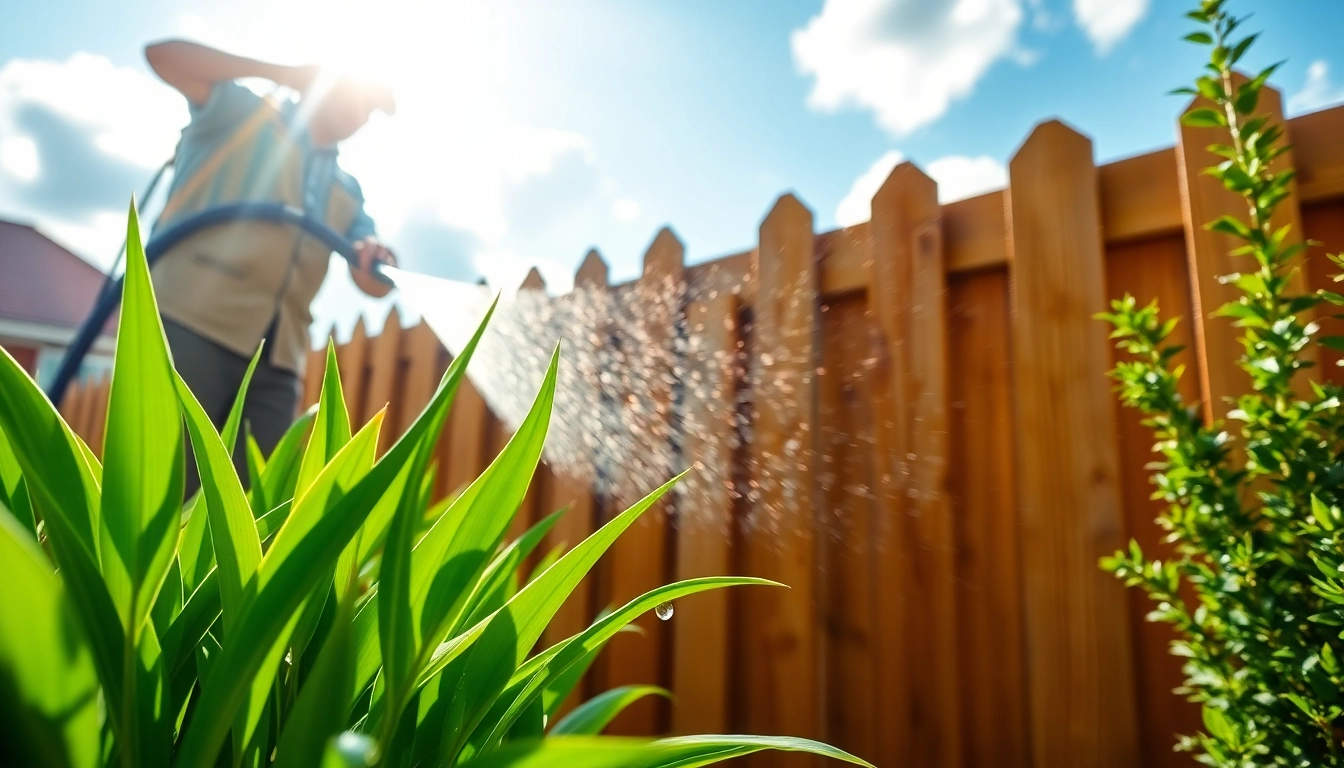
Understanding the Importance of Fence Cleaning
The aesthetics and integrity of your property can significantly benefit from regular maintenance, and cleaning your fence is an essential part of that upkeep. Not only does a clean fence enhance curb appeal, but it also prolongs the life of the material. Regular Fence Cleaning prevents the buildup of mold, mildew, and dirt, which can lead to costly repairs or replacements if left untreated. In this article, we'll explore the critical aspects of fence cleaning that every property owner should know.
Benefits of Regular Fence Cleaning
Regular fence cleaning provides numerous benefits, which include:
- Prolonged Lifespan: Maintaining your fence can extend its life significantly. Dirt and organic debris, if left alone, can cause deterioration and decay, particularly in wooden fences.
- Aesthetic Value: A clean fence makes your property more attractive. Building a visual barrier that looks good will enhance your property's overall appeal and can even increase its market value.
- Health Benefits: Mold and mildew can pose health risks. Removing these elements improves the air quality around your home and protects your family’s health.
- Property Value: A well-maintained fence signals care for the property. This can elevate the real estate value, particularly when you decide to sell the property.
When to Schedule Your Fence Cleaning
Identifying the right time to clean your fence can make a significant difference in the effectiveness of the cleaning. Factors to consider include:
- Seasonal Changes: Spring is the best time for cleaning as it clears away the residue from winter, such as snow and ice.
- Weather Conditions: Avoid cleaning during rainy or extremely sunny days as it can lead to poor results. Overcast days are preferable.
- Observation of Growth: Monitor your fence for signs of mold or discoloration. If you see these signs, it’s time for a thorough cleaning.
Common Fence Materials and Their Needs
Different fence materials require varying approaches and products for effective cleaning:
- Wood Fences: Require gentle cleaning solutions and methods to prevent damage. Regularly remove debris and apply a sealant after cleaning.
- Vinyl Fences: Can withstand more robust cleaning methods, including pressure washing. Often, soap and water are sufficient to keep them bright and clean.
- Metal Fences: Generally require less frequent cleaning but need rust prevention treatments. Regular assessments will prevent rusting and discoloration.
DIY Methods for Fence Cleaning
For those who prefer DIY solutions, several effective methods and formulations can be used to clean different types of fences. Understanding these methods will empower you to maintain the cleanliness and appearance of your fence.
Homemade Solutions for Wood Fence Cleaning
Homemade fence cleaning solutions can be effective and environmentally friendly. Here are some popular mixtures:
- Vinegar Solution: A mixture of equal parts vinegar and water can be a great natural cleaner that combats mold and dirt.
- Bleach Solution: For tougher stains, mix one part bleach with four parts water. Be sure to test in an inconspicuous area first to check for wood color changes.
- Oxygen Bleach: An alternative that’s safer for the environment than chlorine bleach, it works well without the risk of damaging the wood.
Using Household Products Effectively
Common household products can also be instrumental in maintaining your fence:
- Baking Soda: Acts as a mild abrasive and can effectively remove stains when mixed with water.
- Dish Soap: A few drops mixed with warm water makes for a simple, efficient cleaning agent.
- Hydrogen Peroxide: Useful for treating spots of mold or mildew on wood fences.
Safety Precautions During DIY Cleaning
While DIY cleaning can be cost-effective, it’s essential to take proper precautions:
- Protective Gear: Always wear gloves and goggles to protect against harsh chemicals.
- Proper Ventilation: Ensure that the area is well-ventilated if using strong cleaning agents like bleach.
- Secure the Area: Barriers or warning signs can help prevent accidents while working near busy areas or roadways.
Choosing Professional Fence Cleaning Services
Hiring professionals to clean your fence can be a wise investment. It saves time and ensures that your fence receives top-notch care.
What to Look for in a Cleaning Service
When choosing a fence cleaning service, consider:
- Experience: Look for companies with a proven track record and positive customer reviews.
- Insurance: Ensure the company carries liability insurance to protect against any potential damage.
- Techniques Used: Inquire about the cleaning methods they employ (e.g., soft washing vs. pressure washing).
Understanding Costs and Estimates
The cost to clean a fence can vary based on several factors:
- Size of the Fence: Larger fences will naturally incur greater costs.
- Material: Different materials can influence the cleaning price, with wood often requiring more delicate care than vinyl or metal.
- Condition: Heavily stained or neglected fences may require additional treatments or services, increasing the overall cost.
Customer Reviews and Recommendations
Always check customer feedback to gauge service quality. Look for testimonials that detail the results and customer satisfaction. Websites, social media, and community forums can provide valuable insight into the performance of various companies.
Advanced Fence Cleaning Techniques
For difficult cleaning tasks, advanced techniques might be necessary to achieve optimal results.
Power Washing vs. Soft Washing
Understanding the difference between power washing and soft washing can help you choose the right method for your fence:
- Power Washing: Uses high-pressure water streams to remove dirt and grime, suitable for more robust materials like metal or vinyl.
- Soft Washing: Utilizes low-pressure water combined with biodegradable detergents, perfect for delicate wooden fences that could be damaged by high pressure.
Cleaning Specialized Fences like Vinyl and Metal
Special fencing materials, such as vinyl and metal, come with their own cleaning requirements:
- Vinyl Fences: Can typically handle a pressure washer without damage, so long as you maintain a safe distance.
- Metal Fences: Require rust-preventive coatings after cleaning to maintain durability against the elements.
Post-Cleaning Care and Maintenance Steps
After cleaning, the following steps can enhance protection and appearance:
- Sealing: For wood fences, applying a sealant can protect against moisture and UV damage.
- Regular Inspections: Periodically check for signs of damage or wear and address issues promptly.
- Repainting: For decorative or wooden fences, repaint every few years to maintain the visual appeal and longevity.
FAQs on Fence Cleaning
How much does it cost to get your fence cleaned?
The cost can vary based on size and material, averaging between $30 and $800 for most residential fences.
What is the best homemade solution for cleaning a fence?
A vinegar-water solution or a bleach-water mix (1:4 ratio) can be effective for cleaning wood fences.
Can I clean my fence without a power washer?
Yes, many homemade solutions and traditional scrubbing methods can effectively clean a fence without a power washer.
How often should I clean my fence?
Fences should ideally be cleaned at least once a year, with extra cleanings before painting or staining.
What should I do after cleaning my fence?
Consider sealing, staining, or repainting, especially for wood, to enhance durability and protect against the elements.