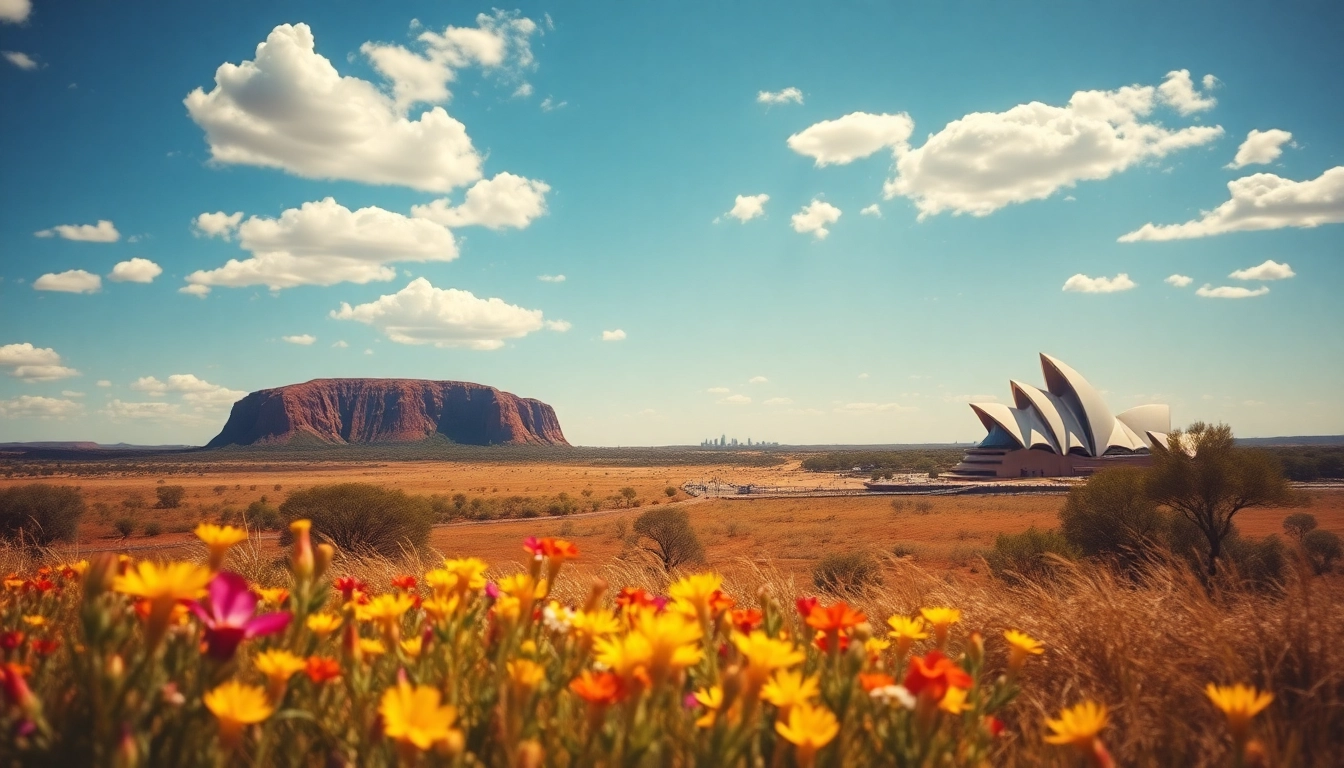
Introduction to Australia: Geography and Climate
Australia, the world's flattest and driest inhabited continent, is a fascinating nation known for its unique geographical features and climate variability. Covering an area of approximately 7.7 million square kilometers, this megadiverse country boasts a wide range of landscapes, including beaches, deserts, and forests. Moreover, it is home to a variety of ecosystems, each supporting distinct wildlife and plant species. From the bustling cities to serene national parks, Australia presents numerous opportunities for exploration and discovery.
Geographical Features of Australia
The geographical features of Australia are diverse and intricate. The country is characterized by vast plains, rugged mountains, and extensive coastlines. Major geographical formations include:
- The Great Dividing Range: Stretching along the eastern coast, it influences rainfall patterns and houses several national parks.
- The Outback: Known for its arid landscapes, the Outback comprises deserts, bushland, and a unique array of flora and fauna.
- Coastal Regions: Australia's coastline spans over 34,000 kilometers, featuring stunning beaches, coral reefs, and marine parks.
Climate Variability across Australia
Australia experiences a variety of climate zones ranging from tropical in the north to temperate in the south. The climate can be categorized into several distinct regions:
- Tropical North: Characterized by high humidity and seasonal monsoons, this region experiences heavy rainfall during summer.
- Desert Climate: The central part of Australia is mostly arid, exhibiting extreme temperature variations between day and night.
- Temperate South: This area enjoys a milder climate, with more consistent rainfall and distinct seasonal changes.
Unique Ecosystems Found in Australia
Australia is renowned for its exceptional biodiversity. Home to countless endemic species, its ecosystems range from lush rainforests to arid desert landscapes. Notable ecosystems include:
- The Great Barrier Reef: The world's largest coral reef system, hosting an array of marine life and crucial for biodiversity.
- Rainforests: Tropical rainforests in Queensland are rich in biodiversity and contain many species found nowhere else.
- Habitats for Endemic Species: Australia is famous for its marsupials, such as kangaroos and koalas, alongside its unique flora.
Cultural Heritage of Australia
Australia's cultural heritage is a vibrant mosaic that encompasses Indigenous cultures and influences from around the world. Each facet of its culture contributes to the nation’s identity and social fabric.
Indigenous Cultures of Australia
The Indigenous cultures of Australia, comprising Aboriginal and Torres Strait Islander peoples, are among the oldest continuous cultures in the world. With deep connections to the land, these communities retain rich traditions, languages, and art forms. Key aspects of Indigenous cultures include:
- Dreamtime Stories: Central to many Indigenous cultures, Dreamtime explains the creation of the world and is reflected in art and song.
- Connection to Land: Indigenous Australians have an intricate relationship with their ancestral lands, practicing sustainable management and cultural rituals.
- Language Diversity: Over 250 Indigenous languages were spoken, reflecting the diversity and complexity of Australia’s Indigenous history.
Modern Australian Society
Modern Australian society is marked by its multiculturalism, with migrants from various backgrounds contributing to the social landscape. This diversity fosters a dynamic cultural scene characterized by:
- Culinary Diversity: Australian cuisine is influenced by global flavors, highlighting dishes from Asian, Mediterranean, and Indigenous cuisines.
- Sporting Culture: Sports like cricket, rugby, and Australian Rules football are ingrained in the national identity and community life.
- Art and Music: A lively arts scene showcases both contemporary and traditional forms, especially through festivals and exhibitions.
Cultural Festivals and Celebrations in Australia
Australia hosts a plethora of cultural festivals that celebrate its diverse heritage. Notable events include:
- Australia Day: Celebrated on January 26, this day marks the arrival of the First Fleet in 1788 and is observed with ceremonies, parades, and fireworks.
- NAIDOC Week: An annual event that celebrates Indigenous history and culture, featuring various community activities and educational programs.
- Melbourne International Comedy Festival: One of the largest comedy festivals globally, showcasing local and international comedic talent.
Economic Overview of Australia
Australia boasts a stable, prosperous economy characterized by diverse industries and strong trade relationships. Understanding the economic landscape is crucial for grasping the country's development and opportunities.
Key Industries Driving the Economy of Australia
The Australian economy thrives on a combination of traditional and modern industries. Key sectors driving economic growth include:
- Mining and Resources: A major contributor to exports, Australia is rich in minerals like iron ore, gold, and natural gas.
- Agriculture: Producing a wide range of commodities such as wheat, beef, and wine, agriculture plays a vital role in rural economies.
- Tourism: With its breathtaking landscapes and cultural heritage, Australia attracts millions of tourists each year, contributing significantly to GDP.
Trade Relationships with Other Countries
Australia's trade relationships are pivotal to its economic performance. The country maintains strong partnerships with nations such as:
- China: The largest trading partner, with significant exports in iron ore, coal, and agricultural products.
- United States: A key ally, engaging in trade across various sectors, including agriculture, technology, and pharmaceuticals.
- Japan: Important for agricultural exports and investment in Australian infrastructure and energy sectors.
Employment Trends in Australia
Australia's labor market reflects overall economic health and is influenced by a range of factors from technology to demographics. Current trends indicate:
- Shifting Job Markets: Technology and innovation drive new job creation, particularly in ICT and digital sectors.
- Workplace Diversity: Increasing focus on inclusion, with policies encouraging women, Indigenous peoples, and immigrants in the workforce.
- Gig Economy: Growth in freelance and contract work, reflecting changes in employment preferences among younger generations.
Traveling in Australia: Must-Visit Destinations
For travelers, Australia offers an incredible array of destinations that reflect its cultural heritage and natural beauty. Whether exploring urban centers or remote wilderness, there is something for everyone.
Iconic Cities and Attractions
Australia's major cities are cultural hubs with unique attractions:
- Sydney: Famous for the Sydney Opera House and Harbour Bridge, it offers beautiful beaches like Bondi Beach.
- Melbourne: Known for its arts scene, cafes, and cricket culture, it is often cited as the world’s most liveable city.
- Brisbane: A gateway to stunning coastal areas, Brisbane is known for its warm climate and outdoor lifestyle.
Natural Wonders of Australia
Australia is home to some of the world's most breathtaking natural landmarks:
- Uluru-Kata Tjuta National Park: A UNESCO World Heritage Site, famous for its massive sandstone monolith, Uluru.
- Great Barrier Reef: A marine paradise that offers unparalleled diving experiences and a glimpse into marine biodiversity.
- Blue Mountains: Renowned for its scenic beauty, featuring steep cliffs, waterfalls, and hiking trails.
Travel Tips for Visiting Australia
When planning a trip to Australia, consider the following travel tips:
- Best Time to Visit: Optimal travel seasons are spring (September to November) and autumn (March to May) for comfortable weather.
- Transportation: Major cities are well-connected by public transport, while car rental is advisable for exploring remote areas.
- Safety Considerations: Be aware of wildlife and follow local guidelines, especially in national parks.
Contemporary Issues Facing Australia
Like any nation, Australia faces challenges that impact its future. Understanding these issues is essential for anyone looking to engage with the country on a meaningful level.
Environmental Challenges in Australia
Australia's unique ecosystems are under threat from various environmental challenges:
- Climate Change: Increasing frequency and severity of bushfires, heatwaves, and droughts due to changing climate patterns.
- Conservation Efforts: Initiatives to protect endangered species and habitats are underway across many areas.
- Pollution and Urbanization: Urban areas face issues of pollution and habitat loss, necessitating sustainable development practices.
Political Landscape and Recent Developments
The political landscape in Australia is dynamic, shaped by various factors such as:
- Government Policies: Recent policies focusing on climate action and social reforms reflect shifting public opinions.
- Indigenous Rights: Ongoing conversations and movements aim to enhance the rights and recognition of Indigenous peoples.
- Global Relationships: Australia maintains strategic alliances, balancing its role between major powers like the US and China.
Future Prospects for Australia
Looking ahead, Australia has the potential for growth, guided by innovation, sustainability, and inclusion. Key areas to consider include:
- Technological Advancement: Embracing technology in industries will bolster productivity and economic resilience.
- Sustainable Practices: Investments in renewable energy and sustainability can enhance environmental stewardship.
- Social Cohesion: A focus on inclusivity and multiculturalism will promote a harmonious society in the long run.
Frequently Asked Questions
What is the best time to visit Australia?
The best time to visit Australia is during spring (September to November) and autumn (March to May) when the weather is mild and pleasant.
Is Australia safe for travelers?
Yes, Australia is considered safe for travelers. However, always follow local guidelines, especially regarding wildlife and natural hazards.
What currency is used in Australia?
The currency of Australia is the Australian Dollar (AUD), which is widely accepted throughout the country.
Do I need a visa to enter Australia?
Yes, most visitors need a visa to enter Australia. It's essential to check the visa requirements based on your nationality.
What languages are spoken in Australia?
The official language is English, but you'll also find many indigenous languages and a variety of languages spoken by migrant communities.