Understanding Manlift Varieties
1. Types of Manlifts
Manlifts come in various designs and capabilities, each serving specific needs in construction, maintenance, and other industries. The three primary types of manlifts include boom lifts, scissor lifts, and vertical personnel lifts.
- Boom Lifts: These are characterized by their extendable arm (or boom) which allows for horizontal outreach. They can be either articulating or telescopic, with articulating boom lifts offering the flexibility to navigate around obstacles.
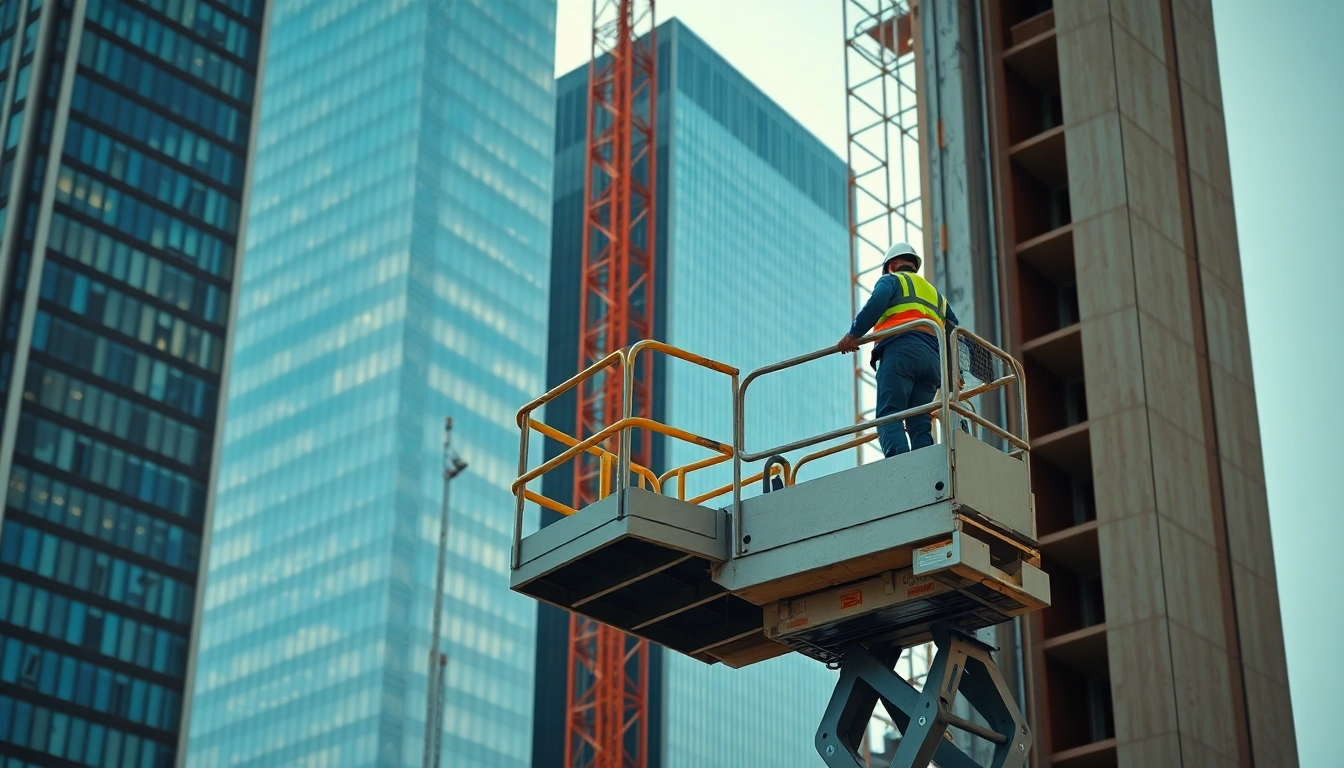
- Scissor Lifts: Compact and easily maneuverable, scissor lifts extend vertically, making them ideal for tasks requiring workspace access at height, such as electrical or plumbing work.
- Vertical Personnel Lifts: Designed for indoor use, these lifts are compact and can easily traverse tight spaces. They provide a stable platform for quick access to elevated areas.
2. Manlift Applications
Manlifts are versatile tools used across many industries. In construction, they facilitate tasks such as installing roofs, signage, or exterior cladding. In maintenance, they allow workers to reach high fixtures, such as lighting or HVAC units. Additionally, manlifts are essential in the film industry for creating elevated camera angles or lighting setups.
3. Key Features to Consider
When selecting a manlift, it is crucial to consider several key features:
- Height and Reach: Determine the maximum height required for your project and choose a manlift that can reach it safely.
- Weight Capacity: Assess the equipment and personnel that will occupy the lift to ensure it can handle the load.
- Maneuverability: Depending on the work environment, look for features like tight turning radii or the ability to operate in confined spaces.
- Power Source: Manlifts may be powered by electricity or fuel; select the option that fits your operational needs best.
- Stability Features: Inspect for safety features such as guardrails, outriggers, and automatic leveling systems that enhance stability during operation.
Safety Protocols for Manlift Use
1. Operator Training and Certification
Using a manlift requires trained personnel to ensure safety. Operators must undergo a comprehensive training program covering equipment handling, hazard recognition, and emergency procedures. Certification programs from recognized organizations can instill the necessary skills and knowledge.
2. Safety Equipment and Inspections
Before using a manlift, it is vital to conduct rigorous inspections. Equipment should be checked for mechanical issues, ensuring that safety features are operational. Operators must also wear appropriate safety gear, including helmets and harnesses, to minimize injury risks during elevation.
3. Safety Best Practices on Site
Maintaining safety on the job site is critical. Follow these best practices:
- Designate a safety supervisor to oversee operations.
- Keep the work area clear of unnecessary personnel and obstacles.
- Communicate using clear hand signals or radios to prevent accidents.
- Establish protocols for stable ground conditions to prevent tipping.
Maintenance Tips for Your Manlift
1. Routine Maintenance Procedures
Regular maintenance prolongs the life of your manlift and ensures safe operation. Create a maintenance schedule that includes checking hydraulic systems, inspecting brakes, and lubricating moving parts. Cleaning the machine after each use can prevent component wear.
2. Troubleshooting Common Issues
Common issues may include hydraulic leaks, engine performance problems, and electrical failures. Addressing these issues quickly can prevent failures during operation. Keep a troubleshooting guide handy for reference and consult the manufacturer’s manual to solve more complex problems.
3. When to Call a Professional
While many maintenance tasks can be undertaken in-house, some require professional expertise. If you encounter persistent mechanical issues or if the manlift fails to operate correctly after basic troubleshooting, it’s best to contact a certified technician.
Cost Factors in Manlift Rental
1. Rental Duration and Terms
The cost of renting a manlift largely depends on how long you need it. Renting on a daily, weekly, or monthly basis can influence pricing. Additionally, extended leases may come with discounted rates and varied rental terms.
2. Transportation and Setup Fees
Consider transportation costs when budgeting for a manlift rental. These fees can vary by distance and accessibility of the site. Setup fees may also apply if a professional is needed to position the equipment safely.
3. Additional Insurance Costs
Insurance is a critical aspect of renting a manlift. Rental companies may offer insurance policies to cover damage or accidents that occur during the rental period. Evaluate these options carefully to ensure you have adequate coverage.
Comparing Manlift Options
1. Rental vs. Purchase Considerations
Deciding between renting or purchasing a manlift boils down to usage frequency and budget constraints. Renting can be economical for short-term projects, while purchasing might be more cost-effective for long-term use, factoring in maintenance and ownership costs.
2. Assessing Capacity and Height Requirements
When comparing manlift options, consider the specific height and weight requirements of your tasks. Different models offer various lifting capacities and heights, which can significantly impact project efficiency and safety.
3. Industry-Specific Recommendations
Different industries have unique requirements. For instance, construction sites may favor boom lifts for their range, while warehouses might benefit more from scissor lifts for stability and weight distribution. Tailoring the choice of manlift to the specific industry can enhance productivity and safety.
Frequently Asked Questions
1. What is a manlift?
A manlift is an aerial work platform designed to safely raise workers to elevated areas for tasks such as maintenance or construction. This equipment typically features an enclosed platform supported by hydraulic or mechanical mechanisms.
2. Are manlifts safe to use?
Yes, manlifts are safe when operated according to guidelines. Proper training, regular maintenance, and following safety protocols significantly minimize risks associated with using these platforms.
3. What are the height limits for different manlifts?
Height limits vary by model. Boom lifts can reach heights up to 180 feet, while scissor lifts typically offer a maximum reach of around 40 feet. Always check the specifications for accurate capabilities.
4. What should I do if my manlift malfunctions?
If a manlift malfunctions, stop using it immediately. Refer to the troubleshooting section of the manual and conduct a basic inspection. If the issue persists, contact a professional technician.
5. How often should I maintain my manlift?
Routine maintenance should be performed regularly, ideally after every 100 operating hours. Additionally, each lift should undergo a comprehensive inspection prior to use. Keeping a structured maintenance schedule is advisable.
For a practical experience in evaluating options and rentals, consider exploring different models of manlift. Whether you need one for a short period or for ongoing projects, understanding the various types and applications can lead to better decision-making.