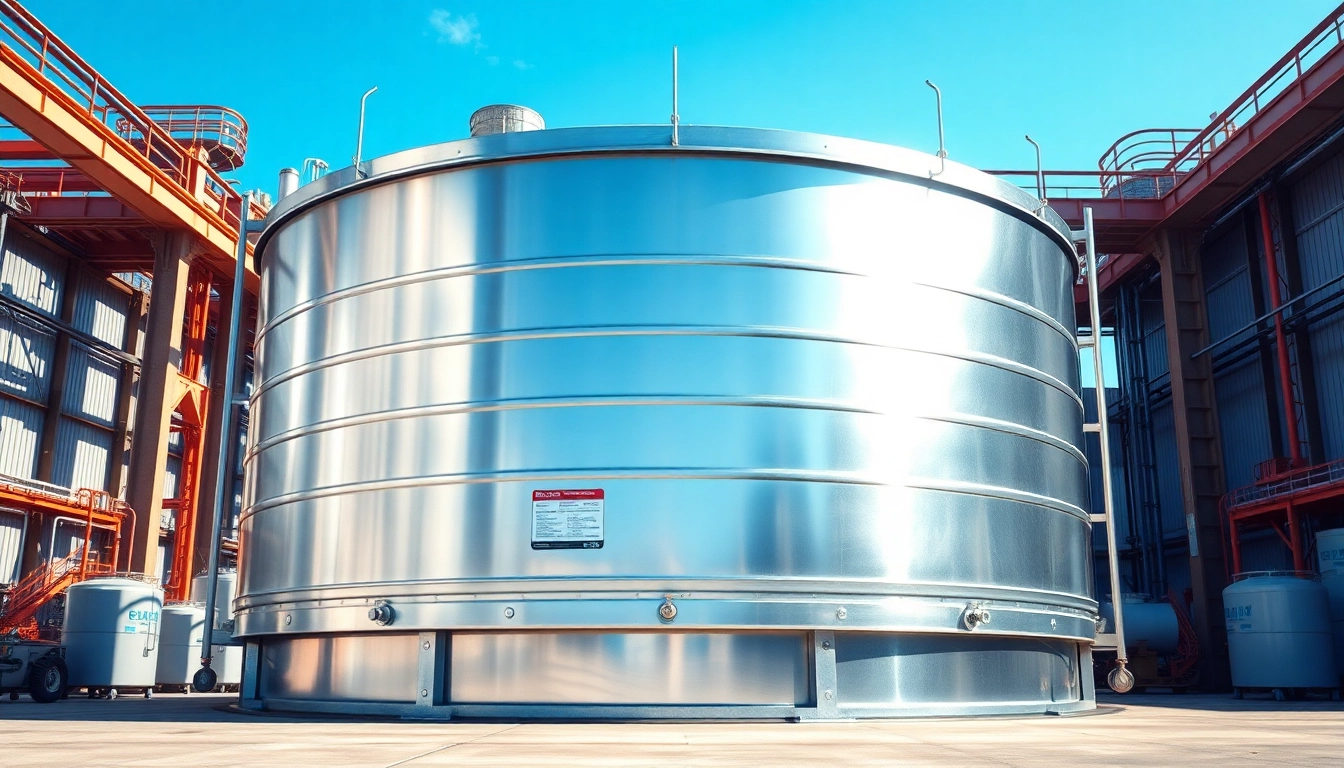
Understanding Above-Ground Storage Tank Design
Above-ground storage tanks (ASTs) are critical components in a variety of industries, from oil and gas to agriculture and water treatment. These tanks are designed to store liquids, including fuels, chemicals, and water, in a way that is both efficient and safe. The Above-Ground Storage Tank Design process involves careful planning and consideration of various factors to ensure optimal functionality and compliance with regulations.
What is an Above-Ground Storage Tank?
An above-ground storage tank is any tank that is constructed above the ground, allowing for easy access and monitoring of contents. This type of storage is commonly used for hazardous liquids, including fuel oils, chemicals, and potable water. The design of ASTs is governed by various industry standards and regulations, ensuring safety and environmental protection. The primary function of these tanks is to provide a secure containment solution that minimizes the risk of spills and leaks.
Types of Above-Ground Storage Tanks
Different types of above-ground storage tanks are tailored to various applications:
- Vertical Tanks: Characterized by their upright structure, vertical tanks are generally used for the storage of bulk liquids. Their design allows for a smaller footprint compared to horizontal tanks.
- Horizontal Tanks: These tanks, often used for large-scale industrial applications, are wider and provide substantial storage capacity. They are suitable for areas with size constraints.
- Fixed Roof Tanks: Commonly employed for the storage of liquid fuels, these tanks feature a fixed roof design that minimizes vapor loss and complies with specific safety standards.
- Floating Roof Tanks: Designed to minimize evaporation loss, floating roof tanks have a roof that rises and falls with the liquid level, reducing the air space within the tank.
- Specialty Tanks: These include tanks designed for specific materials, such as chemical storage tanks lined with resistant materials to prevent corrosion.
Key Components of Design
The design of above-ground storage tanks incorporates various critical components to enhance performance and safety:
- Tank Material: Common materials include steel, fiberglass, and polyethylene, selected based on the chemical properties of the stored liquid and environmental conditions.
- Foundation: A strong and stable foundation is essential to support the tank's weight and withstand environmental forces.
- Ventilation Systems: Proper ventilation is essential to prevent pressure build-up and minimize the risk of explosions.
- Safety Accessories: Devices such as spill containment systems, pressure relief valves, and leak detection systems are crucial for protecting against failures.
Regulatory Considerations
Overview of EPA Regulations
Above-ground storage tanks fall under the regulatory oversight of the Environmental Protection Agency (EPA). Facilities housing these tanks must adhere to regulations that include the Spill Prevention, Control, and Countermeasure (SPCC) rule. This rule requires facility owners to implement measures to prevent discharges and mitigate the impact of spills on water resources, ensuring compliance with federal and state regulations.
Safety Compliance Standards
Safety compliance standards, including those defined by the American Petroleum Institute (API) and the Underwriters Laboratories (UL), govern the design, construction, and maintenance of above-ground storage tanks. Following these standards ensures that tanks are built to withstand environmental impacts, operational stresses, and potential hazards.
Environmental Impact Assessment
Conducting a thorough Environmental Impact Assessment (EIA) is essential for any above-ground storage tank installation. This assessment evaluates the potential effects on surrounding ecosystems, air quality, and local communities. It ensures that design choices meet environmental regulations and sustainability goals.
Design Best Practices
Materials and Construction Techniques
Selecting appropriate materials is paramount. For instance, steel tanks offer strength but require anti-corrosion coatings, while fiberglass tanks provide excellent resistance to various chemicals. Construction techniques such as double-walling and containment dikes can significantly increase safety and environmental protection. Regular inspections and adherence to maintenance schedules are also critical parts of best practices.
Safety Features to Include
Implementing robust safety features can mitigate risks associated with above-ground storage tanks. Key features include:
- Emergency Shut-off Systems: Automatically stop the flow of liquid in case of a detected leak.
- Fire Safety Measures: Ensure compliance with local fire codes by incorporating fire suppression systems, barriers, and alarms.
- Overfill Prevention Systems: These systems use level sensors to prevent overfilling, minimizing spill risk.
Maintenance Guidelines
Regular maintenance is vital in prolonging the lifespan of above-ground storage tanks. This includes visual inspections, integrity testing, and scheduled clean-out and repairs. Documentation of maintenance activities can aid in regulatory compliance and enhance operational safety.
Installation and Monitoring
Site Selection and Preparation
Choosing an appropriate location for an above-ground storage tank is essential. Factors such as accessibility for delivery trucks, proximity to sensitive environments, and local zoning laws must be considered. Site preparation involves clearing the area, constructing a suitable foundation, and ensuring proper drainage.
Key Installation Steps
The installation of an above-ground storage tank involves several crucial steps:
- Foundation Construction: Building a stable foundation is the first step. This could include reinforced concrete or compacted gravel.
- Tank Assembly: Depending on the tank's design, assembly may take place at the site or preassembled in a facility.
- Connection of Piping and Valves: Ensuring that all connections meet industry standards for liquid transfer, safety, and monitoring.
- System Testing: Conduct thorough testing of all systems, including leak tests and pressure tests.
Regular Monitoring Techniques
Monitoring techniques are essential for maintaining the operational integrity of above-ground storage tanks. Technologies such as remote monitoring systems can provide real-time data on tank levels, pressures, and environmental conditions. Regular inspections enable quick detection of leaks or structural issues, fostering proactive maintenance.
Future Trends in Above-Ground Storage Tank Design
Innovative Materials and Technologies
Emerging technologies, including advanced corrosion-resistant materials and smart monitoring systems, are improving tank design substantially. Innovations such as nanotechnology coatings can increase resilience against environmental degradation while enhancing safety features.
Emerging Compliance Standards
As environmental regulations evolve, compliance standards surrounding above-ground storage tank design continue to change. Staying informed about emerging standards is essential for businesses to meet regulatory requirements and ensure safe operations.
Sustainable Practices in Tank Design
The focus on sustainability in tank design is growing. Utilizing eco-friendly materials, implementing energy-efficient systems, and integrating practices that minimize environmental impact are becoming vital components of modern above-ground storage tank design. These practices not only benefit the environment but can also lead to operational cost savings in the long run.
Frequently Asked Questions (FAQs)
What is the lifespan of an above-ground storage tank?
The lifespan of an above-ground storage tank can vary significantly depending on material, usage, and maintenance. Steel tanks can last 20-30 years with proper care, while fiberglass tanks may last longer if maintained well.
How do I choose the right tank size?
Selecting the appropriate tank size depends on the volume of liquid you need to store, the frequency of usage, and local regulations. Consulting with an expert can ensure you choose the right size for your needs.
Are there insurance requirements for ASTs?
Yes, many states require insurance for above-ground storage tanks to cover potential leaks or spills. It's important to consult with insurance professionals to understand your coverage obligations.
What common issues affect above-ground storage tanks?
Common issues include corrosion, structural weaknesses, leaks, and compliance with environmental regulations. Regular inspections and maintenance can prevent these problems from escalating.
What is the best way to monitor tank levels?
Using automatic tank gauges or smart monitoring systems is the best way to ensure accurate and real-time tracking of liquid levels, while reducing the risk of overfills and leaks.