Understanding Above-Ground Storage Tank Design
Above-Ground Storage Tanks (ASTs) play a pivotal role in various industries, serving as crucial vessels for storing everything from fuels to chemicals. Their design is a vital aspect that ensures the safety, efficiency, and regulatory compliance of these installations. Understanding Above-Ground Storage Tank Design involves recognizing the technical specifications, safety standards, and environmental impacts that these tanks encompass.
What is Above-Ground Storage Tank Design?
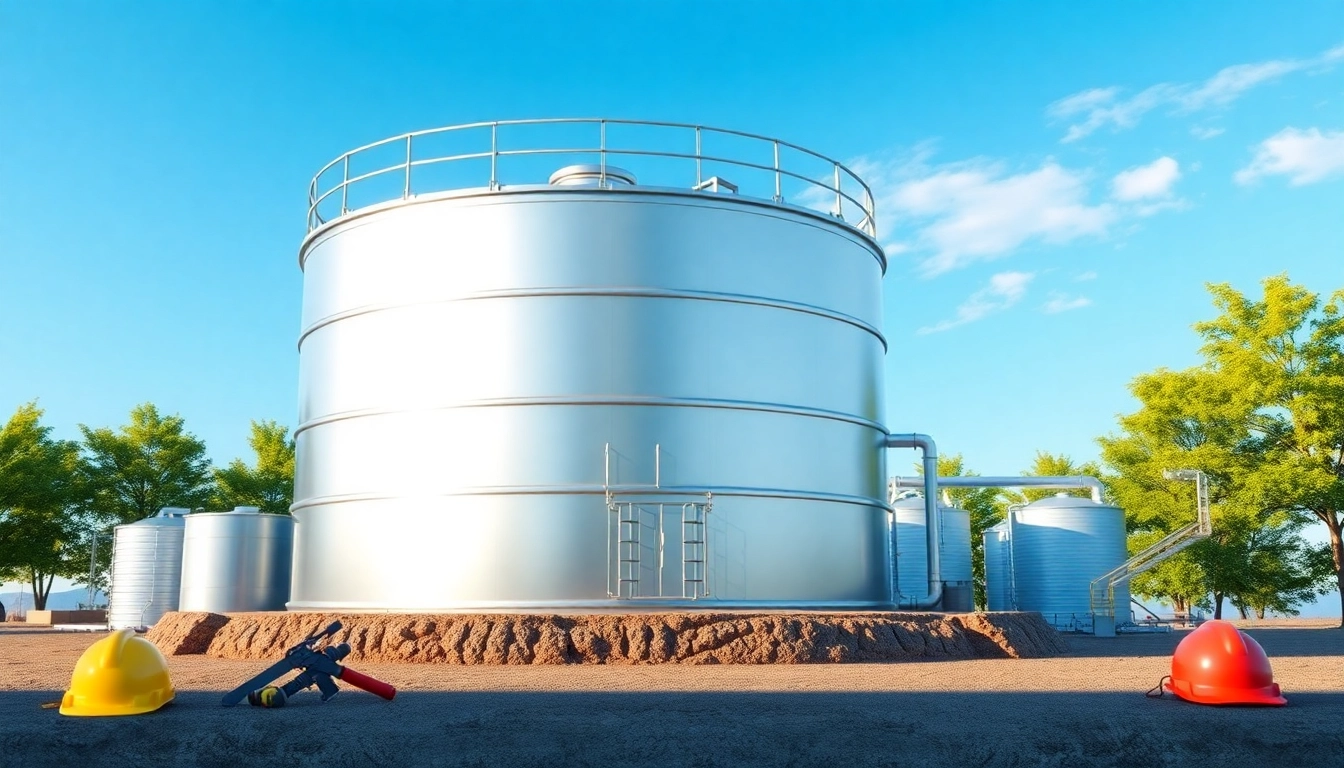
Above-Ground Storage Tank design refers to the engineering and planning needed to construct tanks that safely hold liquids above ground. These tanks vary widely in form, material, and capacity, dictated by their intended use. Depending on the specific requirements, the tank designs can include bulk storage solutions for petroleum products, water, chemicals, and other environmental substances.
Importance of Tank Design in Safety and Compliance
The design of Above-Ground Storage Tanks is critical for several reasons. Firstly, effective design minimizes the risk of spills and leaks, safeguarding the environment and public health. Secondly, compliance with industry standards and government regulations is paramount to operational legality. Lastly, well-designed tanks contribute to operational efficiency, making refilling and maintenance more straightforward and cost-effective.
Key Regulations and Standards for Design
ASTs are subject to strict regulations primarily set forth by agencies like the U.S. Environmental Protection Agency (EPA) and the Occupational Safety and Health Administration (OSHA). Key regulations include the Spill Prevention, Control, and Countermeasures (SPCC) rule, which outlines requirements for secondary containment and tank integrity monitoring. Adhering to API standards, such as API 650, also establishes requirements for the design, construction, and maintenance of ASTs, ensuring they meet safety and environmental protection criteria.
Essential Components of Above-Ground Storage Tanks
Structural Elements: Materials and Durability
The materials used in AST construction significantly impact their durability and functionality. Common materials include steel, fiberglass, and polyethylene, each offering different advantages. Steel tanks, often used for petroleum storage, are robust and long-lasting, while fiberglass tanks resist corrosion and are ideal for chemical storage. Designers must consider the local environment to choose the appropriate materials, accounting for aspects like temperature extremes, humidity, and potential chemical interactions.
Safety Features and Technological Innovations
Safety features in AST design are non-negotiable. Critical components may include automatic shutoff valves, spill detection systems, and fire suppression systems. Recent technological advancements have introduced sensors that monitor tank levels, pressures, and temperatures in real-time, significantly enhancing operational safety. Furthermore, innovations such as double-wall tanks provide an added layer of security against leaks and spills, promoting environmental protection.
Environmental Considerations in Tank Design
Designing Above-Ground Storage Tanks with environmental impacts in mind is increasingly important. This involves selecting materials that minimize energy consumption, implementing designs that reduce potential leaks, and using sustainable practices during construction. Environmental assessments should also guide the placement of tanks, ensuring they are located away from sensitive ecosystems and communities to reduce the risk of contamination and pollution.
Best Practices for Above-Ground Storage Tank Design
Designing for Accessibility and Maintenance
Accessibility in tank design is critical for safe and efficient maintenance. Tanks should allow easy access for inspections, repairs, and cleaning. Incorporating features like ladders, handrails, and locked access points encourages regular maintenance while minimizing risks to personnel. Regular training on maintenance protocols can further ensure that operators follow best practices when working with ASTs.
Emergency Preparedness and Response Strategies
Incorporating emergency preparedness into tank design is vital for mitigating risks. This includes establishing spill containment measures, clearly marked evacuation routes, and comprehensive emergency response plans. Regular drills and training should also be a part of the emergency protocols to ensure that all personnel are familiar with their roles and responsibilities in the event of an incident.
Installation and Inspection Protocols
Proper installation is a crucial step that influences the safety and longevity of ASTs. Following established protocols during installation, including seismic considerations in earthquake-prone areas and rigorous inspections, can prevent future problems. Routine inspections, recommended every three to five years, help verify that tanks comply with safety standards and regulations, ensuring long-term operational integrity.
Common Challenges in Above-Ground Storage Tank Design
Addressing Environmental Concerns
Environmental concerns often pose significant challenges during the design of ASTs. Identifying potential risks of spills and leaks to groundwater or nearby ecosystems is paramount. Engaging with environmental agencies during the design process can facilitate compliance and enable the implementation of adequate containment strategies, thus protecting natural resources.
Managing Regulatory Compliance
Keeping abreast of changing regulations can be challenging for organizations with Above-Ground Storage Tanks. Regular training sessions for staff responsible for compliance can help ensure that they are aware of any changes and understand the importance of adhering to industry guidelines, thereby significantly reducing legal risks and potential fines.
Mitigating Risk Factors During Design
Every design phase should incorporate risk assessment strategies to identify and mitigate potential hazards. Utilizing failure mode and effects analysis (FMEA) can help recognize where tank failures may occur and implement design adjustments to enhance resilience. Consulting with industry experts during the design phase can also provide insights into unforeseen risks and innovative solutions to address them.
FAQs about Above-Ground Storage Tank Design
What are the primary materials used in tank construction?
The main materials for ASTs include steel for durability, fiberglass for resistance to corrosion, and polyethylene for chemical storage. The choice depends on the intended fluid and environmental conditions.
How often should tanks be inspected for safety?
Tanks should typically undergo inspections every three to five years, depending on regulatory requirements and the tank's condition. Regular visual checks are also recommended.
What is the lifespan of a typical above-ground storage tank?
Depending on materials and maintenance, ASTs can last 20-50 years. Steel tanks may last up to 40 years, while fiberglass can last longer with proper care.
Are there specific regulatory bodies overseeing tank design?
Yes, bodies like the EPA and OSHA provide guidelines and regulations for AST design, focusing on safety, environmental protection, and operational compliance.
What are the best practices for tank maintenance?
Best practices include routine inspections, immediate repairs of any leaks, proper training for personnel, and detailed records of tank conditions and maintenance activities.